What Is a Car Monitor and Why Do Modern Vehicles Need One?
Modern vehicles are becoming increasingly intelligent, connected, and safety-focused. One technology that has become essential across commercial vehicles, buses, trucks, construction machinery, and passenger transportation is the Car Monitor.
From displaying camera feeds to providing entertainment and operational information, a Car Monitor serves as the visual center of many vehicle systems. But what exactly is a car monitor, and why has it become a necessity rather than a luxury?
What Is a Car Monitor?
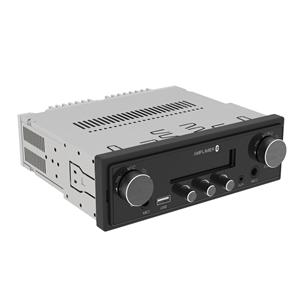
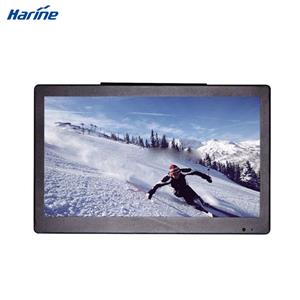
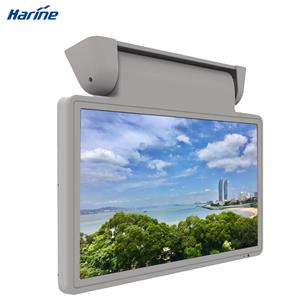
A Car Monitor is a display screen installed inside a vehicle to provide visual information to drivers, operators, passengers, or fleet managers. Unlike standard consumer displays, vehicle monitors are specifically designed to withstand vibration, temperature fluctuations, dust, and continuous operation in demanding environments.
A car monitor can display:
Rear-view camera images
Side-view camera feeds
360-degree surround-view systems
GPS navigation
Passenger entertainment content
Advertising information
Vehicle diagnostics
Fleet management data
Today, car monitors are used in everything from city buses and school buses to trucks, agricultural machinery, mining equipment, and luxury coaches.
The Evolution of Vehicle Display Technology
Years ago, drivers relied almost entirely on mirrors and direct visibility. As vehicles became larger and road safety requirements increased, manufacturers began integrating display systems to improve visibility and reduce blind spots.
Modern Car Monitor technology has evolved to include:
High-definition LCD displays
Touchscreen interfaces
Android operating systems
Multi-camera integration
Real-time monitoring systems
Digital signage capabilities
As a result, vehicle operators now have access to more information than ever before, improving both safety and efficiency.
Why Do Modern Vehicles Need a Car Monitor?
Improved Driving Safety
Safety is the primary reason modern vehicles use a Car Monitor.
Large vehicles such as buses, trucks, and construction machines often have significant blind spots. A monitor connected to multiple cameras allows operators to view areas that mirrors cannot cover.
Benefits include:
Reduced accident risk
Better visibility when reversing
Improved lane-change awareness
Enhanced pedestrian detection
Safer operation in crowded environments
For fleet operators, even a small reduction in accidents can result in substantial cost savings.
Better Camera System Integration
Today's vehicles commonly use multiple cameras.
A professional Car Monitor can integrate:
Rear-view cameras
Front cameras
Side cameras
Interior surveillance cameras
360-degree bird-view systems
Instead of switching between devices, drivers can view all critical camera feeds from a single display, improving situational awareness and response times.
Enhanced Passenger Experience
In buses, coaches, and passenger transportation vehicles, a Car Monitor is often used to improve passenger comfort.
Typical applications include:
Entertainment videos
Route information
Arrival notifications
Safety instructions
Digital advertising
Passengers increasingly expect modern transportation systems to provide real-time information and entertainment during their journeys.
Increased Operational Efficiency
Vehicle monitors help operators make better decisions by displaying important information instantly.
Examples include:
Vehicle status monitoring
Fuel consumption data
Route tracking
Fleet management information
Equipment operating conditions
Construction machinery and industrial vehicles often rely on monitors to display equipment status and camera feeds simultaneously, allowing operators to work more efficiently.
Digital Advertising Opportunities
Many transportation companies use Car Monitor systems as advertising platforms.
Bus operators, airport shuttle services, and commercial transportation providers can display:
Local advertisements
Promotional campaigns
Public announcements
Tourism information
Digital advertising displays create additional revenue streams while maximizing the value of installed equipment.
Support for Smart Vehicle Technologies
Modern vehicles are becoming increasingly connected.
Android-based Car Monitor systems can support:
WiFi connectivity
Remote content updates
GPS navigation
Cloud-based management
Multimedia playback
Mobile device integration
These smart capabilities transform the monitor from a simple display into a comprehensive vehicle management platform.
Common Applications of Car Monitors
Buses and Coaches
Used for:
Passenger entertainment
Route displays
Surveillance monitoring
Advertising systems
Trucks
Used for:
Rear-view monitoring
Blind spot detection
Cargo area observation
Construction Machinery
Used for:
Equipment monitoring
Camera integration
Safety management
Emergency Vehicles
Used for:
Navigation
Camera systems
Incident monitoring
Agricultural Equipment
Used for:
Field operation monitoring
Equipment diagnostics
Precision farming systems
Key Features to Look for in a Car Monitor
When selecting a Car Monitor, consider these important features:
High Brightness
Ensures visibility in direct sunlight.
Wide Viewing Angle
Allows multiple users to see the display clearly.
Multiple Video Inputs
Supports cameras and external devices.
Anti-Vibration Design
Ensures reliable operation in harsh vehicle environments.
High Resolution
Provides sharper images and improved monitoring performance.
Long Service Life
Industrial-grade displays offer years of dependable operation.
The Future of Car Monitor Technology
As vehicle technology continues to advance, the role of the Car Monitor will become even more important.
Future trends include:
AI-powered driver assistance
Integrated vehicle diagnostics
Enhanced 360-degree monitoring
Cloud-connected fleet management
Smart transportation systems
Larger ultra-wide displays
Vehicle monitors will continue evolving from simple display screens into intelligent control centers for modern transportation.
Conclusion
A Car Monitor is no longer just an accessory. It has become a critical component of modern vehicles, helping improve safety, operational efficiency, passenger experience, and fleet management.
Whether installed in a bus, truck, coach, construction machine, or commercial vehicle, a high-quality Car Monitor provides the visibility and information needed to meet the demands of today's transportation industry.