Vehicle LCD Monitor: How to Choose the Right Display for Commercial Vehicles
Vehicle LCD Monitor: How to Choose the Right Display for Commercial Vehicles
As commercial vehicles become smarter and more connected, display technology plays an increasingly important role in transportation systems. Whether used in buses, coaches, trucks, construction machinery, or fleet vehicles, a Vehicle LCD Monitor helps improve safety, communication, passenger experience, and operational efficiency.
Today, vehicle displays are no longer limited to showing video content. They are widely integrated with surveillance systems, passenger information systems, digital signage platforms, rear-view cameras, and fleet management solutions. Choosing the right display can significantly improve the performance and reliability of your vehicle system.
What Is a Vehicle LCD Monitor?
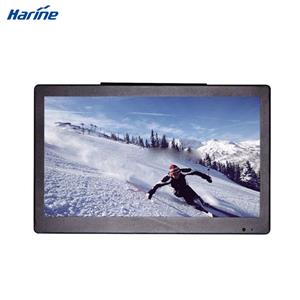
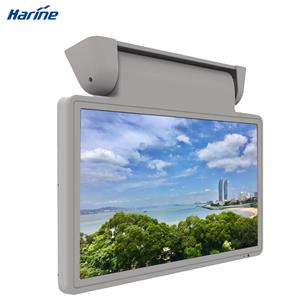
A Vehicle LCD Monitor is a display specifically designed for mobile and transportation environments. Unlike consumer-grade screens, these monitors are engineered to withstand vibration, temperature changes, dust, humidity, and continuous operation.
They are commonly installed in:
Public buses
Coaches and shuttle buses
School buses
Trucks and logistics vehicles
Construction and mining equipment
Emergency and special-purpose vehicles
Modern vehicle displays often support multiple video inputs and can work with cameras, DVR systems, Android media players, and passenger information systems.
Key Features to Consider
When selecting a display solution for commercial vehicles, buyers should focus on several critical factors.
High Brightness for Better Visibility
Vehicle displays are frequently exposed to bright sunlight. A high-brightness screen ensures clear visibility in both indoor and outdoor environments.
Many transportation applications require displays with brightness levels ranging from 500 to 1000 nits or higher, depending on the installation location.
Anti-Vibration and Durable Design
Road conditions can create constant vibration and impact. A professional-grade Vehicle LCD Monitor should feature a reinforced structure and industrial components that ensure long-term stability.
This is especially important for buses, coaches, and construction machinery operating in demanding environments.
Wide Viewing Angles
Passengers and operators may view the screen from different positions. IPS display technology provides wider viewing angles and delivers a better visual experience throughout the vehicle.
Flexible Connectivity
A quality display should support multiple interfaces such as:
HDMI
VGA
AV
USB
RS232
CAN Bus integration
Flexible connectivity allows the display to work seamlessly with surveillance cameras, media players, and vehicle control systems.
Common Applications in Commercial Vehicles
Passenger Information Systems
Many public transportation operators use digital displays to provide route information, stop announcements, safety messages, and real-time updates.
Vehicle Surveillance Systems
Displays connected to onboard cameras help drivers monitor blind spots, passenger areas, and vehicle surroundings, improving overall safety.
Bus and Coach Entertainment
Long-distance coaches often use display screens to provide entertainment content, advertisements, travel information, and onboard announcements.
Fleet Management Solutions
Modern fleet operators integrate display systems with GPS tracking, vehicle diagnostics, and operational management platforms to improve efficiency.
Benefits of Upgrading Vehicle Display Systems
Investing in advanced display technology offers several advantages:
Enhanced passenger experience
Improved operational safety
Better driver awareness
Increased advertising opportunities
Real-time information delivery
Reduced maintenance costs through reliable hardware
As transportation systems continue to evolve, display solutions are becoming an essential part of intelligent vehicle infrastructure.
Future Trends in Vehicle Display Technology
The commercial vehicle industry is rapidly adopting new technologies. Future developments include:
Android-based smart displays
Cloud-connected fleet systems
AI-assisted monitoring platforms
360-degree surround-view integration
Ultra-wide stretched LCD displays
Real-time passenger information systems
These innovations are helping transportation operators improve efficiency while delivering a better user experience.
Conclusion
Choosing the right Vehicle LCD Monitor involves more than selecting a screen size. Buyers should evaluate brightness, durability, connectivity, viewing angles, and application requirements to ensure long-term performance.
Whether used for passenger information, surveillance monitoring, entertainment, or fleet management, a high-quality display solution can improve safety, reliability, and operational efficiency across a wide range of commercial vehicle applications.
FAQ
What is the ideal screen size for a Vehicle LCD Monitor?
The ideal size depends on the application. Smaller displays ranging from 7 to 10 inches are commonly used for camera monitoring systems, while larger screens from 15.6 to 24 inches are often installed in buses and coaches for passenger information and entertainment purposes.
Can vehicle displays operate in extreme temperatures?
Yes. Industrial-grade vehicle displays are designed to operate in harsh environments and typically support a wide temperature range, making them suitable for both hot and cold climates.
Are Vehicle LCD Monitors suitable for continuous operation?
Professional transportation displays are built for long operating hours and can support continuous daily use in buses, commercial fleets, and public transportation systems.
What interfaces are commonly available?
Most commercial vehicle displays support HDMI, VGA, AV, USB, and serial communication interfaces. Some models also support CAN Bus integration and network connectivity for intelligent transportation systems.
How are Vehicle LCD Monitors used in buses and coaches?
They are commonly used for passenger information systems, advertising displays, entertainment content, route announcements, surveillance monitoring, and driver assistance applications.
What should buyers look for when choosing a supplier?
Important factors include product quality, display performance, customization capabilities, certifications, technical support, and experience in commercial vehicle applications.