5 Key Features to Look for When Choosing a Car LCD Screen for Public Transportation
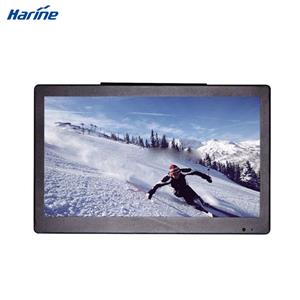
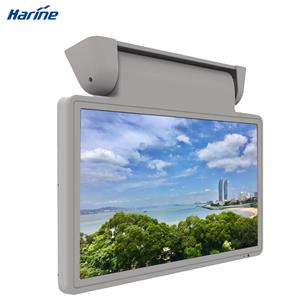
As public transportation systems continue to modernize, digital displays have become an essential part of daily operations. From passenger information and onboard advertising to route updates and emergency notifications, a reliable Car LCD Screen helps transportation operators communicate effectively with passengers while improving overall service quality.
However, not all vehicle display solutions are designed for the demanding environments of buses and coaches. Choosing the right Car LCD Screen requires careful consideration of several key factors that directly impact performance, reliability, and long-term operating costs.
Below are five critical features every transportation operator should evaluate before investing in a vehicle display system.
1. High Brightness for Clear Visibility
One of the most important features of a professional Car LCD Screen is brightness.
Public transportation vehicles operate under constantly changing lighting conditions. Direct sunlight, reflections from windows, and varying weather conditions can all affect display visibility.
A high-brightness display ensures that route information, advertisements, and passenger announcements remain clear and readable throughout the day.
Benefits of high-brightness displays include:
Improved readability in bright environments
Better passenger experience
Enhanced visibility of important announcements
More effective advertising displays
For buses and coaches, visibility should always be a top priority when selecting a Car LCD Screen.
2. Durable Design for Continuous Operation
Unlike standard commercial displays, transportation displays often operate for extended periods every day.
A professional Car LCD Screen should be designed to withstand:
Continuous daily operation
Frequent vehicle movement
Temperature fluctuations
Humidity and dust exposure
Long-term commercial use
Durable vehicle displays reduce maintenance requirements and help transportation operators minimize downtime.
When evaluating suppliers, it is important to consider the display's expected service life and reliability in real-world operating environments.
3. Wide Viewing Angles for Passenger Comfort
Passengers view onboard displays from different seating positions and angles.
A Car LCD Screen with a wide viewing angle allows content to remain visible and readable throughout the vehicle, regardless of where passengers are seated.
Wide viewing angles are particularly important for:
City buses
Long-distance coaches
Airport shuttle services
Tourist transportation vehicles
Better visibility improves passenger engagement and ensures that information reaches a larger audience.
4. Flexible Content Management Capabilities
Modern transportation systems increasingly rely on digital communication.
A high-quality Car LCD Screen should support flexible content management, allowing operators to update information quickly and efficiently.
Common content types include:
Route information
Stop announcements
Public service messages
Emergency notifications
Commercial advertising
Promotional videos
Many transportation operators now prefer display solutions that support centralized content management, making it easier to control multiple vehicles across an entire fleet.
This capability helps reduce operational complexity while improving communication efficiency.
5. Reliable Performance in Mobile Environments
Vehicle environments present unique challenges that standard displays are not designed to handle.
A transportation-grade Car LCD Screen should deliver stable performance despite constant vibration and movement.
Reliable displays help ensure uninterrupted operation for:
Passenger information systems
Advertising platforms
Fleet communication systems
Vehicle monitoring applications
Consistent performance not only improves passenger satisfaction but also protects operators from costly maintenance issues and unexpected failures.
Why These Features Matter
For transportation operators, selecting the right Car LCD Screen is about more than display quality alone.
The ideal solution should provide:
Clear visibility
Long-term reliability
Flexible content management
Passenger-friendly viewing experience
Stable operation in demanding environments
By focusing on these key features, operators can maximize the value of their display investment while delivering a more professional transportation experience.
Conclusion
A professional Car LCD Screen plays a critical role in modern public transportation. Whether used for passenger information, digital advertising, or fleet communication, the right display solution can improve efficiency, enhance passenger engagement, and support long-term operational success.
When comparing vehicle display systems, transportation operators should focus on brightness, durability, viewing angles, content management capabilities, and overall reliability. These five features provide the foundation for a successful and future-ready transportation display system.
Frequently Asked Questions
Why is brightness important for a Car LCD Screen?
High brightness ensures that information remains visible and readable under different lighting conditions, including direct sunlight.
Can a Car LCD Screen be used for onboard advertising?
Yes. Many transportation operators use vehicle LCD displays to show advertisements, promotional content, and public information.
What makes a transportation-grade display different from a standard display?
Transportation-grade displays are designed for continuous operation, vibration resistance, and reliable performance in mobile environments.
Why are wide viewing angles important?
Passengers may view displays from different positions throughout the vehicle. Wide viewing angles help ensure that content remains visible from multiple seating locations.
What content can be displayed on a Car LCD Screen?
Common content includes passenger information, route updates, safety announcements, advertisements, promotional videos, and operational messages.