Why a 360 Surround View System Is Essential for Trucks and Excavators
Why a 360 Surround View System Is Essential for Trucks and Excavators
For trucks, excavators, construction machinery, and other large commercial vehicles, visibility is always one of the most important safety factors. Compared with ordinary passenger cars, heavy-duty vehicles usually have larger blind spots, wider turning areas, and more complex working environments. When the driver cannot clearly see the front, rear, left, and right sides of the vehicle, reversing, turning, loading, parking, and low-speed operation can become more difficult.
A 360 surround view system is designed to solve this problem by giving the driver a complete panoramic view around the vehicle. By combining images from multiple cameras, the system creates a bird’s-eye view on the monitor, helping drivers understand the surrounding environment more quickly and safely.
What Is a 360 Surround View System?
A 360 surround view system is a vehicle camera and monitor solution that uses several cameras installed around the vehicle, usually at the front, rear, left, and right sides. These cameras capture real-time images and send them to the central monitor. The system then processes the images and displays a panoramic view, allowing the driver to see the vehicle’s surroundings from above.
For trucks and excavators, this type of system is especially useful because the driver’s field of vision is often limited by the vehicle body, bucket, rear structure, cargo area, or nearby obstacles. With a 360 bird view camera system, drivers can monitor blind spots more clearly and make better decisions during operation.
Why Trucks and Excavators Need a 360 Surround View System
Heavy vehicles are often used in narrow roads, construction sites, warehouses, ports, mines, logistics parks, and other complex environments. These places usually include workers, other vehicles, equipment, walls, containers, and uneven ground. A small visual blind spot may cause vehicle damage, safety risks, or operation delays.
A truck 360 camera system can help drivers view areas that are difficult to see through mirrors alone. When reversing or turning, the driver can check the monitor to confirm whether there are people, objects, or obstacles around the vehicle. For excavators, a 360 surround view system can improve visibility during digging, loading, rotating, and moving in confined job sites.
This is why more fleet operators, construction companies, and vehicle equipment suppliers are choosing panoramic camera systems as an important safety upgrade.
Key Benefits of a 360 Surround View System
1. Better Blind Spot Visibility
Blind spots are one of the biggest challenges for trucks and construction machinery. Traditional mirrors can help, but they cannot always provide a complete view around the vehicle. A 360 surround view system reduces blind spot areas by showing real-time images from multiple directions on one screen.
This helps drivers see pedestrians, barriers, nearby vehicles, and job site equipment more clearly.
2. Safer Reversing and Parking
Reversing large vehicles is often risky, especially in narrow areas or busy construction sites. With a vehicle 360 degree camera system, the driver can check the rear view and panoramic view at the same time. This makes parking, reversing, and low-speed maneuvering easier and safer.
For trucks, this can reduce the risk of collision when entering loading areas, parking lots, or warehouses. For excavators, it helps operators move the machine more confidently in crowded job sites.
3. Improved Driving Efficiency
A clear panoramic display can help drivers make faster decisions. Instead of checking several mirrors one by one, the driver can see the surrounding situation directly from the monitor. This improves work efficiency and reduces stress during operation.
For fleet managers, better visibility also means fewer unnecessary delays, less vehicle damage, and smoother daily operation.
4. Suitable for Multiple Vehicle Applications
A 360 surround view system is suitable for many commercial and industrial vehicles, including:
Trucks
Excavators
Construction machinery
Engineering vehicles
Buses and coaches
Special-purpose vehicles
Logistics and warehouse vehicles
Different vehicle types may require different monitor sizes, camera channels, video input formats, and system configurations. Choosing a suitable system depends on the vehicle structure and application environment.
Important Features to Consider When Choosing a 360 Surround View System
Monitor Size and Display Quality
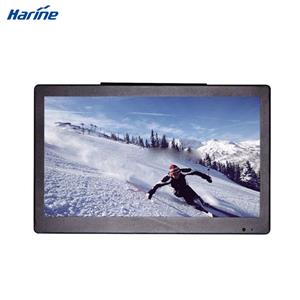
The monitor is the main interface for the driver. A clear display can make the panoramic image easier to understand. Common options include 7-inch, 9-inch, and 10.1-inch monitors, depending on the vehicle type and installation space.
For trucks and excavators, a larger touch screen can provide better visibility and easier operation, especially when the system also supports multimedia display, navigation, or driving record functions.
Camera Channel Support
A standard 360 surround view system often uses four cameras, but some advanced systems may support more video inputs. For example, certain truck and excavator monitor solutions can support multiple AHD video inputs, making them suitable for 360 panoramic view, DMS, ADAS, and other vehicle safety functions.
More camera channels give vehicle manufacturers and fleet operators more flexibility when building a complete visual safety solution.
System Platform
Different systems may use Android or Linux platforms. An Android-based monitor can support more smart functions, such as WiFi, Bluetooth, GPS, 4G, USB, CarPlay, Android Auto, and multimedia applications. A Linux-based system can be a stable and efficient option for basic 360 panoramic viewing and reserved video recording functions.
The best choice depends on whether the project needs only camera monitoring or a more integrated smart vehicle display solution.
Video Recording Function
For commercial vehicles, video recording is very useful. It can help record daily operation, support accident review, and provide evidence when there is a dispute. A truck backup camera monitor with driving record function can add extra value to fleet safety management.
Durability and Vehicle Compatibility
Trucks and construction machinery often work in harsh environments. Therefore, the system should be designed for vehicle use, with stable signal transmission, reliable camera connection, and compatibility with different vehicle structures.
Before choosing a vehicle surround view camera system, buyers should confirm installation position, camera angle, monitor size, power supply, video input type, and required functions.
360 Surround View System for Construction Machinery
Construction machinery such as excavators, loaders, and engineering vehicles often operates in dusty, crowded, and narrow job sites. The operator may not always have a clear view of the rear and side areas. A 360 surround view system for excavators can provide a real-time panoramic view, helping operators reduce blind spots and improve safety during movement and operation.
For construction companies, this type of system is not only a driving assistant but also part of a safer and more efficient job site management solution.
360 Surround View System for Trucks
For trucks, a truck 360 camera system is useful in logistics, transportation, road construction, mining, and municipal service applications. It helps drivers monitor nearby vehicles, pedestrians, loading docks, and obstacles during turning, reversing, and parking.
When combined with a clear monitor and multiple cameras, the system can improve the driver’s awareness of the surrounding environment and reduce the risk of low-speed collisions.
How to Choose the Right 360 Surround View System Supplier
When selecting a 360 surround view system manufacturer, buyers should consider not only the product price but also the system configuration, customization ability, vehicle compatibility, technical support, and after-sales service.
A good supplier should be able to provide suitable monitor sizes, camera options, video input configurations, and system solutions according to different vehicle applications. For truck, excavator, and construction machinery projects, customized support is especially important because installation conditions and functional requirements may vary from project to project.
Conclusion
A 360 surround view system is becoming an important safety and visibility solution for trucks, excavators, and construction machinery. By combining multiple cameras with a clear vehicle monitor, it helps drivers reduce blind spots, improve reversing safety, and operate more confidently in complex environments.
For commercial vehicle manufacturers, fleet operators, and construction machinery solution providers, choosing the right vehicle 360 degree camera system can improve driving safety, work efficiency, and overall vehicle value.