How Bus LCD Monitor Systems Improve Passenger Information and Onboard Media
In modern public transportation, a display is no longer just a simple screen for playing videos. For buses, coaches, tourist vehicles, school buses, airport shuttles, and commercial fleets, a reliable Bus LCD Monitor can become an important part of the passenger information and onboard media system.
From route updates and safety notices to entertainment videos and advertising content, the right display system helps improve the passenger experience while also supporting daily vehicle operation. For vehicle manufacturers and fleet operators, choosing a suitable Vehicle LCD Monitor is not only about screen size. It is also about installation method, display quality, stability, compatibility, and long-term use in a moving vehicle environment.
Why Bus LCD Monitor Systems Are Becoming More Important
Passengers today expect a more comfortable and informative travel experience. In long-distance coaches, a Car LCD Display can be used for movies, travel information, promotional videos, or destination introductions. In city buses or shuttle vehicles, the display can show route information, station announcements, safety reminders, or public service messages.
Compared with traditional printed notices, digital display content can be changed more easily. Operators can update video content, advertisements, or information based on different routes, seasons, or business needs. This makes the Bus LCD Monitor a flexible solution for both passenger service and commercial media.
Common Applications of Bus LCD Monitors
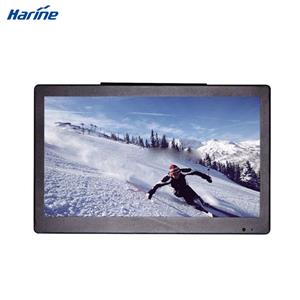
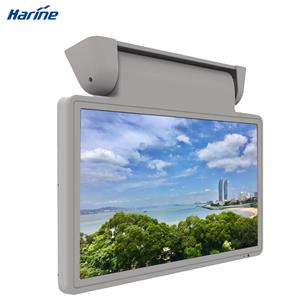
A Bus LCD Monitor can be used in many positions inside a vehicle. Roof-mounted flip-down monitors are commonly used in coaches and tourist buses, especially when passengers need to view the screen from different seats. Fixed monitors are often installed at the front, middle, or rear area of the vehicle for passenger information display. Stretched bar LCD screens can be used for digital signage, route display, or advertising content.
For commercial vehicles, the display may also work together with media players, cameras, or vehicle control systems. In some applications, the monitor is used not only for entertainment but also for safety-related display, such as reversing camera view, side camera monitoring, or 360-degree surround view systems.
Key Features to Consider When Choosing a Bus LCD Monitor
First, display clarity is very important. A screen used inside a bus or coach should provide clear images, stable brightness, and comfortable viewing performance. Since the vehicle interior may have different lighting conditions during the day and night, the monitor should be easy to read without causing visual discomfort.
Second, installation design should match the vehicle structure. Some projects may require fixed installation, while others may prefer manual flip or motorized flip monitors. A good installation design helps save space, improve appearance, and reduce vibration during driving.
Third, the monitor should be reliable in a vehicle environment. Unlike home or office displays, a Vehicle LCD Monitor needs to work under movement, vibration, temperature changes, and long operating hours. Stable performance is especially important for buses, coaches, trucks, and commercial transportation vehicles.
Fourth, compatibility should be considered. Different vehicles may need different input signals, media systems, control methods, or customized functions. A suitable Car LCD Display should be easy to integrate with the existing vehicle media system, camera system, or digital signage solution.
How Bus LCD Monitors Support Passenger Experience
For passengers, the most direct value of a Bus LCD Monitor is better information and entertainment. During long journeys, video content can reduce boredom and improve comfort. For tourist buses, screens can introduce scenic spots, travel schedules, or service information. For city buses and shuttles, digital displays can help passengers understand routes, stops, safety notices, and service updates more clearly.
A well-designed onboard display system also makes the vehicle look more modern and professional. For operators, this can improve brand image and passenger satisfaction. For vehicle manufacturers, adding a reliable display solution can also increase the value of the overall vehicle configuration.
Advertising and Commercial Value
Bus LCD Monitor systems can also create advertising value. Digital screens inside buses and coaches provide a practical space for promotional videos, local business ads, tourism information, and service announcements. Compared with static posters, digital content is more flexible and visually attractive.
Fleet operators can update advertising materials according to route, passenger group, or business cooperation. This makes the onboard display system more than a passenger service tool. It can also become a media platform that supports additional commercial value.
The Role of Customization
Different bus and coach projects often have different requirements. Some vehicles need a large front display, while others need several smaller monitors distributed throughout the cabin. Some projects focus on passenger entertainment, while others require route display, advertising playback, or camera monitoring.
This is why customization is important. Screen size, installation method, housing design, input interface, voltage range, control mode, and appearance may all need to match the vehicle project. A professional vehicle display supplier should be able to provide product selection support and suitable solutions according to real application needs.
Conclusion
A Bus LCD Monitor is an important part of modern vehicle display systems. It can support passenger information, onboard entertainment, advertising, camera monitoring, and smart transportation applications. For buses, coaches, shuttles, trucks, and commercial vehicles, choosing the right Vehicle LCD Monitor can improve both passenger experience and operational efficiency.
When selecting a Car LCD Display for a vehicle project, it is necessary to consider display performance, installation method, system compatibility, durability, and customization options. A reliable monitor is not only a screen, but also a key component of a complete vehicle media and display solution.
FAQ
What is a Bus LCD Monitor?
A Bus LCD Monitor is a display screen designed for buses, coaches, and commercial vehicles. It is commonly used for passenger information, entertainment videos, advertising, route display, and camera monitoring.
Where can a Bus LCD Monitor be installed?
It can be installed on the roof, front panel, side area, rear area, or other suitable positions inside the vehicle. Common types include fixed monitors, manual flip monitors, motorized flip monitors, and stretched bar displays.
What is the difference between a Bus LCD Monitor and a regular display?
A Bus LCD Monitor is designed for vehicle applications. It usually needs better vibration resistance, stable power performance, suitable installation structure, and compatibility with vehicle media or camera systems.
Can a Bus LCD Monitor be used for advertising?
Yes. Bus LCD Monitor systems can play promotional videos, route-based ads, tourism information, public service messages, and brand content. This makes them useful for both passenger service and onboard advertising.
How do I choose the right Vehicle LCD Monitor?
You should consider the application scenario, screen size, installation method, display clarity, input interface, power supply, operating environment, and whether customization is required for your vehicle project.