How to Choose the Right Bus LCD Monitor for Passenger Information and Entertainment
A Bus LCD Monitor is no longer just a screen installed inside a vehicle. For modern buses and coaches, it has become an important part of the passenger information system, entertainment system, and onboard safety solution. Whether used for route information, advertising content, video playback, or real-time vehicle messages, a reliable monitor can improve both the passenger experience and the professional image of the vehicle operator.
For bus manufacturers, fleet operators, and transportation solution providers, choosing the right Bus LCD Monitor is not only about screen size. It also involves installation method, power compatibility, vibration resistance, brightness, viewing angle, operating stability, and long-term maintenance. A monitor designed for ordinary indoor use may not perform well in a moving vehicle environment. That is why vehicle-grade display solutions are becoming more important in public transportation and coach applications.
Why Bus LCD Monitors Are Important in Modern Vehicles
Passengers today expect a more comfortable and informative travel experience. In long-distance coaches, a Coach LCD Monitor can be used to play entertainment content, travel information, safety videos, and advertisements. In city buses, a Vehicle LCD Monitor can help show route details, next-stop information, service notices, and public announcements.
For operators, these displays are also useful for creating additional commercial value. A bus monitor can become a digital advertising platform, allowing operators to show promotional videos, destination information, tourism content, or partner advertisements. Compared with printed posters, digital content is easier to update and more flexible for different routes or service needs.
In addition, display systems can work together with onboard cameras, media players, and vehicle control systems. This makes the monitor more than a simple screen. It becomes part of a complete vehicle information and safety solution.
Key Factors to Consider When Choosing a Bus LCD Monitor
The first factor is screen size. Different vehicle types require different display sizes. A small shuttle bus may need a compact display, while a long-distance coach may require larger ceiling-mounted or fixed monitors for better visibility. The screen should be large enough for passengers to see clearly, but it should not block the vehicle interior space or affect passenger movement.
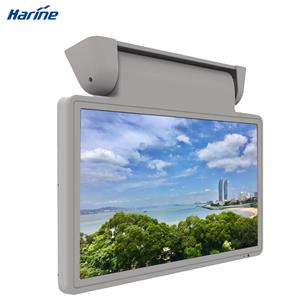
The second factor is installation method. Common installation options include roof mounting, wall mounting, fixed installation, manual flip installation, and motorized flip installation. For coaches, roof-mounted flip monitors are often used because they can be folded away when not in use. For buses that need continuous passenger information display, fixed monitors may be more practical and stable.
The third factor is power supply compatibility. Since buses and coaches usually use DC 12V or 24V power systems, the monitor should support wide voltage input. This helps ensure stable operation in different vehicle electrical environments and reduces the risk of power-related failure.
The fourth factor is anti-vibration and anti-interference performance. A bus is constantly moving, braking, turning, and passing through different road conditions. A normal commercial screen may not be designed for this kind of environment. A professional Bus LCD Monitor should be built for vehicle use, with stable internal structure and reliable electronic performance.
The fifth factor is brightness and viewing angle. In a vehicle, passengers may sit in different positions, and lighting conditions may change throughout the day. A high-brightness LED backlight and wide viewing angle can make the screen easier to read from different seats. This is especially important for passenger information display and advertising content.
Fixed Monitor or Flip Monitor: Which One Is Better?
Both fixed monitors and flip monitors have their own advantages.
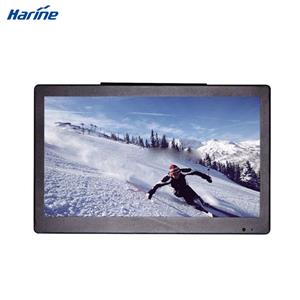
A fixed bus LCD monitor is usually suitable for applications where the screen needs to remain visible for a long time. For example, public buses, shuttle buses, and passenger information systems may need a display that continuously shows route information, safety reminders, or advertising content. Fixed monitors are also simple to use and easy for passengers to notice.
A manual flip or motorized flip monitor is often used in coaches and long-distance buses. This type of monitor can be folded when not in use, helping save interior space and keep the vehicle design clean. Motorized flip monitors can offer a more premium experience, especially for high-end coaches or tourism vehicles.
The best choice depends on the vehicle type, usage scenario, installation space, and operator requirements. For OEM or ODM projects, customized installation design is also important because different bus models may have different interior structures.
Applications of Bus LCD Monitors
A Bus LCD Monitor can be used in many commercial vehicle scenarios.
In long-distance coaches, it can display entertainment videos, travel introductions, safety instructions, and advertisements. This helps improve passenger comfort during long trips.
In city buses, it can show route information, next-stop reminders, service announcements, and public information. This improves communication between the operator and passengers.
In tourist buses, the monitor can display destination videos, scenic area introductions, and travel service information. This adds value to tourism operations and improves the passenger experience.
In school buses or shuttle buses, the display can be used for safety reminders, route messages, or driver assistance information. When combined with cameras, it can also help support safer vehicle operation.
Why Vehicle-Grade Design Matters
The inside of a bus is very different from an office, shopping mall, or home environment. A vehicle display must handle vibration, temperature changes, voltage fluctuations, limited installation space, and long working hours. This is why vehicle-grade design is important.
A suitable Vehicle LCD Monitor should be stable, energy-saving, easy to operate, and designed for long-term use. The screen structure, power system, backlight, installation bracket, and signal connection should all match the needs of commercial vehicles.
For bus manufacturers and fleet operators, product reliability is especially important. A monitor failure may increase maintenance costs and affect the passenger experience. Choosing a professional supplier with experience in vehicle display solutions can help reduce these risks.
Complete Vehicle Display Solutions
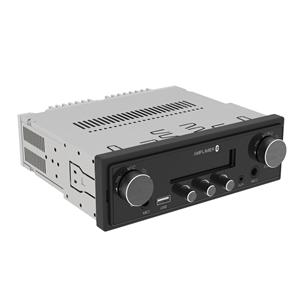
A bus monitor can also be combined with other onboard products, such as car players, vehicle cameras, advertising display screens, and driving assistant systems. For example, a vehicle camera system can support rear-view monitoring, interior surveillance, or safety assistance. A media player can provide video and audio content for passengers. A digital signage system can help operators manage advertising and information display.
When these products work together, they create a more complete onboard information system. This is especially useful for bus and coach manufacturers who need integrated solutions instead of single products.
Conclusion
Choosing the right Bus LCD Monitor requires more than selecting a screen size. Buyers should consider vehicle environment, installation method, power supply, brightness, durability, and system compatibility. A professional vehicle monitor can improve passenger information delivery, entertainment experience, advertising value, and overall vehicle operation.
For buses, coaches, trucks, and other commercial vehicles, a reliable Vehicle LCD Monitor is an important part of modern transportation systems. By choosing a display solution designed specifically for vehicle applications, manufacturers and operators can build a safer, smarter, and more comfortable onboard experience.