Why Car LCD Screen Quality Matters for Modern Vehicle Display Systems
Why Car LCD Screen Quality Matters for Modern Vehicle Display Systems
As vehicle display technology continues to develop, the Car LCD Screen has become an important part of modern transportation, commercial vehicles, buses, coaches, and special-purpose vehicles. It is no longer just a simple screen for showing video. A reliable car LCD screen can improve passenger experience, support vehicle information display, assist driver visibility, and provide stable performance in long-term mobile environments.
For vehicle manufacturers, fleet operators, and system integrators, choosing the right Car LCD Screen is not only about screen size or appearance. It is more about display clarity, installation structure, durability, signal compatibility, and long-term reliability.
What Is a Car LCD Screen?
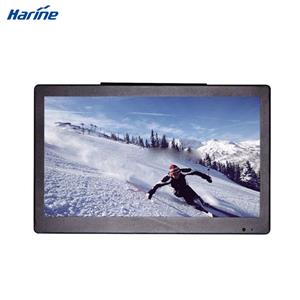
A Car LCD Screen is a liquid crystal display designed for vehicle applications. Compared with ordinary indoor display products, car LCD screens usually need to work under more challenging conditions, such as vibration, temperature changes, strong sunlight, limited installation space, and continuous daily operation.
These screens are commonly used in buses, coaches, commercial vehicles, construction machinery, passenger vehicles, and customized in-vehicle display systems. Depending on the application, a car LCD screen can be used for entertainment, advertising, reversing assistance, surveillance display, center control systems, or passenger information systems.
Why Car LCD Screen Performance Is Important
In vehicle environments, display performance directly affects the user experience. A low-quality screen may look acceptable indoors, but once installed inside a vehicle, problems can quickly appear. For example, weak brightness may make the screen difficult to read in daylight. Poor viewing angles may affect passengers sitting in different positions. Unstable hardware may cause flickering, black screens, or signal interruptions during driving.
A professional Car LCD Screen should offer stable image quality, clear color performance, and reliable operation during movement. This is especially important for buses and coaches, where the display may need to run for many hours every day.
Key Features to Consider When Choosing a Car LCD Screen
1. Clear Display Quality
Display clarity is one of the most important factors. A good Car LCD Screen should provide sharp images, natural color reproduction, and stable brightness. For advertising, passenger entertainment, or information display, clear visual performance helps deliver content more effectively.
For vehicles used in public transportation, a clear screen can also make route information, safety reminders, and multimedia content easier for passengers to see.
2. Wide Viewing Angle
Unlike personal devices, car LCD screens are often viewed from different seats and angles. A wide viewing angle helps ensure that passengers can see the screen clearly, even when they are not sitting directly in front of it.
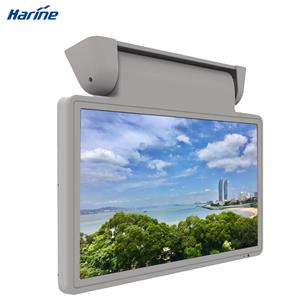
This feature is especially useful for bus LCD screens, coach monitors, and ceiling-mounted or wall-mounted vehicle displays.
3. Stable Performance in Vehicle Environments
Vehicles are constantly moving, which means the screen must withstand vibration and frequent operation. A reliable Car LCD Screen should be designed with stable internal components and a durable structure to reduce the risk of display failure.
For commercial vehicle applications, stability is often more important than unnecessary extra functions. Fleet operators need screens that can work consistently over time.
4. Flexible Installation Options
Different vehicles require different installation methods. Some screens may be fixed on the roof, some may be mounted on the side wall, and others may be integrated into a center control area or custom vehicle system.
A suitable car LCD screen should support flexible installation and match the vehicle’s interior structure. This helps improve both appearance and usability.
5. Signal and System Compatibility
A Car LCD Screen may need to work with cameras, media players, advertising systems, Android systems, reversing systems, or vehicle control devices. Therefore, compatibility is very important.
Before choosing a screen, it is necessary to consider what signal inputs and system connections are required. A screen that supports the right interface can make installation easier and reduce system integration problems.
Common Applications of Car LCD Screens
Bus and Coach Entertainment Systems
In buses and coaches, car LCD screens are widely used for passenger entertainment. They can display movies, travel information, safety videos, or promotional content. For long-distance transportation, a high-quality display can improve the overall passenger experience.
Vehicle Advertising Displays
Car LCD screens can also be used for advertising and digital signage inside vehicles. Compared with printed posters, digital content can be updated more easily and displayed in a more attractive way.
This is useful for buses, tourist coaches, shuttle vehicles, and commercial fleets.
Reversing and Camera Display Systems
Some Car LCD Screen solutions are used together with rearview cameras or surveillance cameras. In this application, the screen must show clear and real-time images to assist the driver.
A stable display system can improve visibility and support safer vehicle operation.
Center Control and Smart Vehicle Systems
With the development of smart vehicle interiors, car LCD screens are also used in center control systems. They can display multimedia functions, vehicle information, camera views, and interactive control interfaces.
For customized vehicle projects, the screen often becomes an important part of the overall user interface.
Car LCD Screen vs Ordinary LCD Screen
Although both products use LCD display technology, a Car LCD Screen is different from an ordinary indoor LCD screen. Vehicle screens are usually designed with stronger adaptability to vibration, power conditions, installation limitations, and long operating hours.
An ordinary LCD screen may not be suitable for vehicle use because it is not always built for mobile environments. This is why choosing a screen designed specifically for automotive or commercial vehicle applications is important.
How to Choose the Right Car LCD Screen Supplier
When selecting a supplier, product quality is only one part of the decision. A reliable supplier should also understand vehicle applications and provide suitable solutions according to different project requirements.
Here are several points to consider:
Product experience: The supplier should have experience with vehicle display products, especially for buses, coaches, commercial vehicles, and special vehicle applications.
Customization ability: Different projects may require different sizes, mounting structures, interfaces, or system configurations.
Stable supply: For long-term vehicle projects, stable production and supply are important.
Technical support: Good communication and technical support can help reduce problems during installation and integration.