Why Are Flip-Down LCD Monitors Installed in Coaches?
Why Are Flip-Down LCD Monitors Installed in Coaches?
Passenger entertainment remains an important part of the travel experience on long-distance coaches, tour buses and intercity vehicles. However, installing display equipment inside a coach is very different from placing a television in a building.
Passenger space is limited, the display must remain visible from multiple seat rows, and every component must withstand vibration, voltage fluctuations and frequent vehicle operation. These requirements explain why the flip-down LCD monitor has become a widely used display format in coach entertainment systems.
Installed on the ceiling or luggage-rack structure, a flip-down monitor can be opened when video or passenger information is required and folded away when not in use. This structure provides a practical balance between screen visibility, interior space and vehicle integration.
What Is a Flip-Down LCD Monitor?
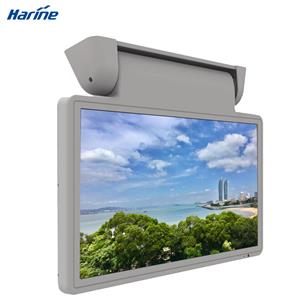
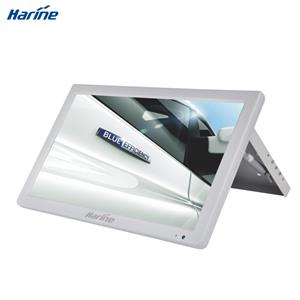
A flip-down LCD monitor is a roof-mounted vehicle display with a screen that can rotate between a folded and an operating position.
When closed, the screen remains nearly parallel to the ceiling or mounting surface. When opened, it faces the passenger seating area. Depending on the product design, the screen may be opened manually or controlled by an electric motor.
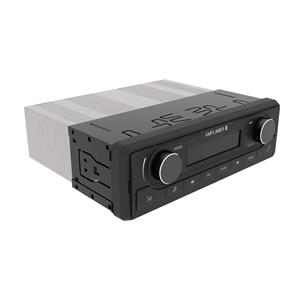
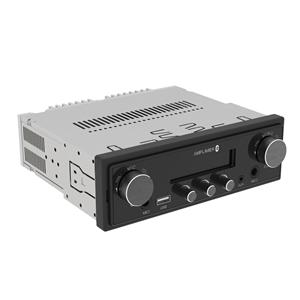
These monitors are commonly integrated with a bus media player, microphone system, onboard amplifier or multimedia control unit. The same video source can also be distributed to several monitors throughout a long coach.
Unlike small headrest displays intended for individual passengers, a coach monitor is generally designed for shared viewing by several rows of seats.
Why Is the Monitor Installed on the Coach Roof?
The roof provides a central position that allows the screen to be viewed without occupying passenger seating space or blocking the aisle.
A monitor mounted too low can interfere with passengers moving through the vehicle. A display installed on a side wall may be difficult to see from seats on the opposite side. Roof mounting places the screen closer to the passengers’ natural forward viewing direction.
This installation position is especially useful in coaches where several monitors are arranged along the cabin. Each screen can serve a different group of seat rows, improving visibility throughout the vehicle.
The roof-mounted structure also helps bus manufacturers integrate the display with the existing ceiling panels and luggage racks, creating a cleaner interior appearance.
What Is the Difference Between Manual and Motorized Flip-Down Monitors?
A manual flip-down monitor is opened and closed by hand. Its structure is relatively straightforward and is suitable for coach projects where simple operation and cost control are priorities.
A motorized flip-down monitor uses an internal drive mechanism to control screen movement. The monitor can be opened or folded through a control signal, switch or integrated vehicle system.
Motorized operation can improve convenience when several monitors are installed in one coach. The driver or operator does not need to open every screen individually before the journey. However, the motor mechanism, control method and installation structure must be correctly matched with the vehicle.
Both designs can be suitable for commercial coaches. The final configuration depends on the vehicle design, operating requirements and level of system integration.
How Does a Flip-Down Monitor Save Interior Space?
Space efficiency is one of the main advantages of a flip-down LCD monitor.
A permanently extended display may reduce overhead clearance or affect the visual openness of the passenger cabin. A folding design allows the screen to be stored close to the mounting surface when it is not required.
This is valuable for multipurpose coaches. The displays can be opened during long-distance journeys, tourism services or video presentations and folded away during short trips or when the entertainment system is turned off.
Because the screen does not require a floor stand or seat-mounted support, the passenger seating layout can remain unchanged.
Where Are Flip-Down LCD Monitors Used?
Flip-down monitors are commonly found in tour coaches, intercity buses, airport shuttle buses, VIP coaches, school activity buses and employee transportation vehicles.
Their functions are not limited to playing movies. Depending on the connected media and control system, the screens can display route information, safety instructions, tourism introductions, advertising content and live camera images.
Before departure, operators can use the monitors to show emergency exit instructions or seat-belt reminders. During a journey, the same displays can switch to entertainment or travel information.
This ability to support several types of content makes the roof mount monitor a flexible component within an onboard display system.
How Does One Media Player Work with Multiple Coach Monitors?
In a typical onboard entertainment system, a central bus media player provides the audio and video source. The signal is then distributed to multiple LCD monitors installed along the passenger cabin.
This configuration allows all passengers to view synchronized content without installing an individual player for each screen.
The system design must account for the video interface, cable length, number of displays and signal distribution method. Long cables and multiple connection points can weaken an improperly designed video signal, potentially causing flickering, image noise or intermittent signal loss.
Using compatible monitors, cables and distribution equipment helps maintain stable images across the complete coach.
What Sizes Are Commonly Used in Coaches?
The required screen size depends on the coach interior, mounting position and number of seat rows served by each monitor.
A 15.6-inch flip-down LCD monitor offers a compact structure and is suitable where ceiling space is limited. An 18.5-inch model provides a larger viewing area while remaining manageable for many standard coach interiors.
A 21.5-inch roof-mounted monitor can improve visibility in larger vehicles or installations where one display must serve more passenger rows.
Screen size should therefore be considered together with viewing distance and monitor quantity. Installing one oversized screen at the front of a long coach does not always provide a better passenger experience than distributing several appropriately sized monitors along the cabin.
Why Can’t a Household Monitor Be Used Instead?
A coach creates a more demanding operating environment than a room or office.
The monitor is exposed to continuous road vibration, repeated impacts and changing temperatures. It receives power from a vehicle electrical system where voltage conditions may be less stable than a conventional indoor power outlet.
The mounting structure must also keep the screen secure during acceleration, braking and movement over uneven roads.
A commercial bus LCD monitor should therefore be developed with vehicle installation, power input, vibration resistance, screen-locking structure and cable connections in mind. A normal household display is not designed for these conditions.
What Should Be Confirmed During Vehicle Integration?
Successful integration requires more than selecting a screen size.
The bus manufacturer or system integrator should confirm the available mounting space, ceiling structure, opening angle, viewing distance and required operating method. The monitor’s input voltage, video interface and control signals must match the vehicle’s media system.
Cable routing should be planned before interior assembly. Power and video connectors must remain secure during vibration, while the monitor should be positioned so that it does not obstruct passenger movement, emergency equipment or interior lighting.
For motorized models, the control logic and screen movement should also be tested as part of the complete vehicle system.
Flip-Down LCD Monitor Solutions from Harine
Harine develops and manufactures vehicle display and multimedia solutions for buses, coaches and other commercial vehicles.
Our flip-down LCD monitor range includes different screen sizes and manual or motorized structures for coach entertainment and passenger information applications. Monitors can be integrated with vehicle media players, audio systems, signal distribution equipment and customized connection cables.
Depending on the project, customization may cover the mounting structure, housing color, input interface, control method, cable length and branding requirements.
For an accurate product recommendation, buyers can provide the coach model, required screen size, installation drawing, video source, operating voltage and estimated order quantity.
FAQ
Is a flip-down LCD monitor the same as a roof mount monitor?
In coach applications, the terms often describe the same general product type. The monitor is mounted to the roof or overhead structure and folds down for viewing.
Can several flip-down monitors play the same video?
Yes. Multiple monitors can display synchronized content when connected to a compatible media player and properly designed signal distribution system.
Are motorized flip-down monitors suitable for commercial coaches?
Yes. Motorized models allow centralized opening and closing, which can be useful when several monitors are installed in one vehicle.
Can the monitor display passenger information instead of movies?
Yes. The displayed content depends on the connected source. The screen can present safety videos, route information, advertising, tourism content or other passenger information.
Does Harine provide customized coach monitors?
Yes. Harine can evaluate customization requirements involving the housing, mounting structure, video interface, control method, cables and other project-specific details.