What Is a Window Display Screen and How Does It Help Retail Stores?
What Is a Window Display Screen and How Does It Help Retail Stores?
A storefront window is often the first place where customers notice a shop. Before people walk inside, they usually see the window, the product display, and the advertising message first. This is why many retail stores, showrooms, restaurants, and commercial spaces are now using a window display screen to make their storefront more attractive.
Compared with traditional printed posters, a window display screen can show videos, images, product information, promotions, and brand content in a more vivid way. It helps turn a normal glass window into an active advertising space.
What Is a Window Display Screen?
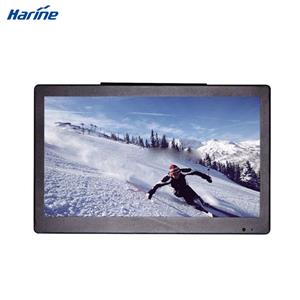
A window display screen is a digital screen installed near a store window or behind glass. It is mainly used to show advertising content, product information, promotional videos, menus, service details, or brand messages.
Because window areas usually have strong light, many window display screens are designed with higher brightness than ordinary indoor screens. This helps the content stay clear and visible even during the daytime or in bright shopping environments.
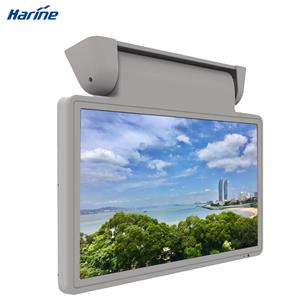
A window display screen can be used as a single display, or several screens can be installed together to create a larger visual area. Depending on the store layout, it can be wall-mounted, ceiling-mounted, floor-standing, or customized for a specific installation space.
Why Use a Window Display Screen?
The main purpose of a window display screen is to attract attention. When people pass by a store, moving images and bright digital content are usually easier to notice than static posters. A clear product video, discount message, or brand image can encourage customers to stop and look.
Another advantage is flexible content updates. Traditional posters need to be printed and replaced when promotions change. With a window display screen, the content can be updated more easily. Stores can change product images, seasonal campaigns, price information, or event messages according to their marketing plans.
A window display screen also helps improve the overall image of a store. Digital displays can make the storefront look more modern, clean, and professional. For brands that care about visual presentation, this can help create a stronger first impression.
Key Features of a Good Window Display Screen
High Brightness
Brightness is one of the most important features. Since the screen is often placed close to a window, it needs enough brightness to fight against sunlight or strong indoor lighting. A high brightness window display can make text, images, and videos easier to read from outside.
Clear Display Quality
Display clarity is also important. A good window display screen should show sharp images, natural colors, and smooth video playback. This is especially useful for stores that need to present products in detail, such as fashion, cosmetics, electronics, jewelry, cars, or real estate projects.
Stable Performance
Stable performance matters as well. In many commercial spaces, screens may need to work for many hours every day. Good heat dissipation, reliable components, and stable operation help the screen perform better over time.
Flexible Installation
Installation flexibility is another factor to consider. Different stores have different window sizes and layouts. Some screens are mounted directly behind the glass, while others are installed on stands or suspended from the ceiling. Choosing the right installation method can make the display look cleaner and fit the space better.
Easy Content Playback
Content playback is also worth considering. Some window display screens support USB playback, while others support network control, Android systems, or remote content management. For stores that often update advertising content, an easy content management method can save time and improve efficiency.
Common Applications of Window Display Screens
Retail Stores
Retail stores are one of the most common application areas. Clothing stores, beauty shops, electronics stores, supermarkets, and chain stores can use window display screens to show new arrivals, discounts, product features, and brand videos.
Restaurants and Cafes
Restaurants and cafes can use them to display menus, daily specials, seasonal drinks, or promotional offers. Digital menu content can be changed more quickly than printed posters, which is useful when prices or products change often.
Real Estate Showrooms
Real estate showrooms can use window display screens to show building videos, floor plans, project information, location advantages, and contact details. Even when people only pass by the showroom, they can quickly understand the main selling points of the project.
Car Showrooms
Car showrooms can use digital window displays to show vehicle models, interior details, service packages, financing plans, or promotional campaigns. Moving visuals can make the showroom window more eye-catching.
Shopping Malls and Commercial Buildings
Shopping malls, banks, service centers, hotels, and commercial buildings can also use window display screens for advertising, notices, event information, and brand communication.
Window Display Screen vs. Traditional Poster
Traditional posters are simple and affordable, but they are not easy to change. Once printed, the content stays the same until it is replaced. If the promotion ends or the product information changes, new posters need to be designed and printed again.
A window display screen is more flexible. One screen can show different content at different times of the day. For example, a restaurant can show breakfast promotions in the morning, lunch menus at noon, and dinner offers in the evening.
In terms of visual effect, digital screens also have an advantage. Videos, animations, product slides, and bright images can create stronger visual impact than static posters. This makes a window display screen a practical choice for stores that want to make better use of their window space.
How to Choose a Suitable Window Display Screen
Before choosing a window display screen, it is important to consider the actual installation environment. If the screen will face strong sunlight, brightness should be a priority. If the screen is used mainly indoors or in a shaded area, the brightness requirement may be lower.
Screen size should match the window space. A screen that is too small may not attract enough attention, while a screen that is too large may affect the overall storefront design. The best choice depends on the viewing distance, window size, and content style.
The content type also matters. If the screen mainly shows videos, smooth playback and good image quality are important. If it mainly shows text and prices, readability should be the key focus.
It is also helpful to consider future content updates. Stores that frequently change promotions may need a screen with convenient content management. For simple use, USB playback may be enough. For multiple stores or more advanced control, network-based content management may be more suitable.
Conclusion
A window display screen is a modern and effective way to make storefront advertising more attractive. It can show products, promotions, videos, menus, and brand messages through bright and dynamic visuals.
Compared with traditional posters, a window display screen offers better flexibility, stronger visual impact, and easier content updates. It is widely used in retail stores, restaurants, showrooms, shopping malls, hotels, banks, and many other commercial spaces.
For any business that wants to improve storefront visibility and make better use of window space, a window display screen can be a practical and valuable display solution.