Motorized Bus Monitor for Coach Entertainment Systems
Motorized Bus Monitor for Coach Entertainment Systems
Modern coaches are no longer designed only for transportation. For long-distance travel, tourism, shuttle services, and intercity routes, passengers increasingly expect a more comfortable onboard experience. A reliable motorized bus monitor can become an important part of a coach entertainment system, providing video playback, travel information, advertising, and other visual content during the journey.
Compared with a fixed display, a motorized monitor can be automatically lowered when needed and retracted when not in use. This design helps coach manufacturers and operators make better use of limited interior space while maintaining a clean and organized cabin.
What Is a Motorized Bus Monitor?
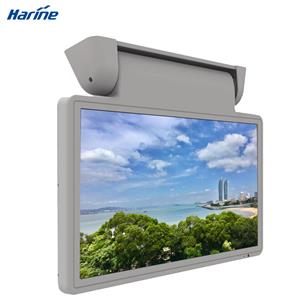
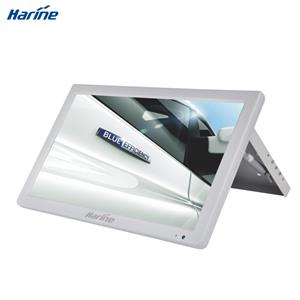
A motorized bus monitor is an LCD display designed specifically for installation inside buses and coaches. It normally uses an electric folding or lifting mechanism that allows the screen to open and close automatically.
Depending on the vehicle design, a motorized flip down monitor can be installed on the ceiling or overhead area of the coach. When passengers need to watch entertainment content or receive information, the screen can be lowered into viewing position. After use, it can return to its storage position.
Unlike ordinary consumer displays, a bus monitor is designed for vehicle environments where voltage fluctuation, vibration, temperature changes, and long operating hours must all be considered.
Why Motorized Monitors Are Used in Coach Entertainment Systems
Space inside a coach is limited, especially around the passenger seating area. Installing a large number of fixed screens may affect cabin appearance or reduce available space.
A motorized monitor provides a practical alternative.
When the screen is closed, it occupies less visible space and helps maintain a cleaner interior. When entertainment or information needs to be displayed, the screen can be deployed automatically.
This makes motorized displays suitable for:
Long-distance coaches
Tourist buses
Shuttle buses
Intercity buses
School buses
VIP coaches
Passenger transport vehicles
For coach manufacturers, the retractable design also makes it easier to integrate LCD displays into customized vehicle interiors.
Motorized Bus Monitor vs. Fixed Bus Monitor
Both motorized and fixed monitors can be used in coach applications, but they serve slightly different installation requirements.
A fixed bus LCD monitor remains permanently visible and is suitable for locations where continuous information needs to be displayed.
A motorized monitor, on the other hand, is more suitable when the screen is only required during certain stages of the journey.
For example, a coach operator may use the monitor for movies during long-distance travel but keep it retracted during passenger boarding.
The motorized design is therefore particularly useful for entertainment-focused coach applications.
Important Features of a Motorized Bus Monitor
Vehicle-Compatible Power Design
The electrical environment inside a commercial vehicle is different from that of a home or office.
Voltage fluctuations can occur during engine starting, acceleration, or when other electrical equipment is operating. A properly designed motorized bus monitor should therefore support vehicle power conditions and include suitable protection.
Wide-voltage input and power protection can help improve system stability in daily operation.
Stable Motorized Mechanism
The lifting or folding mechanism is a key part of a motorized monitor.
For commercial coach applications, the mechanism may be operated repeatedly over a long service life. Stable motor control and mechanical reliability are therefore important.
The screen should open and retract smoothly without excessive vibration or noise.
Suitable Viewing Size
Different coach interiors require different display sizes.
Larger monitors may be suitable for long coaches where passengers need to view the screen from several rows away. Smaller monitors can be used in vehicles with more limited installation space.
The correct size should be selected according to cabin layout, viewing distance, and installation position.
Multiple Video Inputs
A coach entertainment system may include media players, onboard computers, cameras, or other video sources.
Therefore, a motorized monitor may need to support different input interfaces depending on the system design.
This allows the display to become part of a complete onboard multimedia solution rather than operating as a standalone screen.
Vibration Resistance
Commercial vehicles operate continuously on roads with different conditions.
Vibration from the engine, suspension, and road surface may affect ordinary electronic displays over time.
Bus monitors designed for vehicle applications normally consider mounting stability, internal structure, and component reliability to improve long-term performance.
Applications Beyond Passenger Entertainment
Although entertainment is one of the most common applications, a motorized bus monitor can also display other types of information.
Passenger Information
The display can show route information, station announcements, travel schedules, or destination details.
Advertising
Coach operators can use onboard monitors to display commercial advertising, tourism information, or promotional videos.
Safety Information
Before departure, the monitor can display passenger safety instructions, emergency procedures, or seat belt reminders.
Tour Guide Content
Tour buses can use the display to show destination introductions, maps, scenic information, and multilingual video content.
This flexibility allows one display system to support both entertainment and operational communication.
Integration with Bus Media Players
A motorized monitor is often used together with a dedicated bus media player.
The media player provides video and audio content, while the monitor serves as the visual output device.
For fleet operators, centralized media playback can make it easier to manage content across multiple vehicles.
Depending on the system architecture, the display may also be integrated with speakers, control panels, or other onboard electronics.
For complete coach entertainment projects, choosing compatible components from the beginning can simplify installation and reduce integration problems.
OEM Motorized Bus Monitor Solutions
Coach manufacturers often have different requirements regarding screen size, housing design, mounting structure, interface configuration, and system control.
For this reason, OEM customization can be important when developing a motorized display system.
A customized solution may include:
Different LCD sizes
Customized housing design
Vehicle-specific mounting structures
Different signal interfaces
Logo and branding customization
Power input configuration
Integration with onboard media systems
Instead of adapting a consumer monitor to a commercial vehicle, an OEM motorized bus monitor can be designed around the actual coach installation environment.
What Should Coach Manufacturers Consider Before Selecting a Motorized Monitor?
Before selecting a monitor, manufacturers should first confirm where the display will be installed and how passengers will view it.
Installation height, passenger seating layout, viewing distance, available ceiling space, and power supply should all be considered.
It is also important to confirm how the monitor will connect to the vehicle's entertainment system.
For large coach projects, long-term product availability and technical support may also be important because fleet operators often need replacement units or matching displays several years after the initial installation.
Motorized Bus Monitors for Modern Coach Interiors
As coach interiors become more integrated and technology-focused, display systems are becoming an important part of passenger experience.
A well-designed motorized bus monitor allows operators to provide entertainment and information while keeping the cabin clean and organized when the display is not required.
For coach manufacturers, selecting a monitor designed specifically for vehicle applications can also improve system integration, reliability, and long-term maintenance.
HLMonitor provides LCD monitor solutions for buses, coaches, and other commercial vehicles, including motorized display solutions that can be integrated with onboard entertainment and passenger information systems.
FAQ
What is a motorized bus monitor?
A motorized bus monitor is an LCD display used in buses or coaches that can automatically fold down, lift, or retract through an electric mechanism.
Where is a motorized monitor usually installed in a coach?
It is commonly installed on the ceiling or overhead area where passengers from multiple rows can view the screen.
What is the difference between a motorized bus monitor and a regular bus monitor?
A regular monitor usually remains fixed in one position, while a motorized monitor can be automatically opened when needed and retracted when not in use.
Can a motorized bus monitor be connected to a bus media player?
Yes. Motorized monitors are often integrated with bus media players and other onboard multimedia equipment to create a complete coach entertainment system.
Can motorized bus monitors be customized for OEM projects?
Yes. Depending on project requirements, screen size, housing, mounting structure, interfaces, power configuration, and branding can be customized for coach manufacturers and system integrators.