Motorized Bus Monitor: A Space-Saving Display Solution for Modern Coaches
Motorized Bus Monitor: A Space-Saving Display Solution for Modern Coaches
Modern buses and coaches increasingly rely on onboard displays for passenger entertainment, route information, advertising, and multimedia communication. However, installing large displays inside a passenger cabin often creates a challenge: the screen needs to remain clearly visible when in use without taking up valuable interior space when it is not needed.
A motorized bus monitor provides a practical solution. Instead of remaining permanently open, the display can automatically flip down for operation and fold back toward the ceiling after use. This makes motorized monitors especially suitable for long-distance coaches, tourist buses, airport shuttles, and other commercial passenger vehicles where both functionality and interior appearance matter.
What Is a Motorized Bus Monitor?
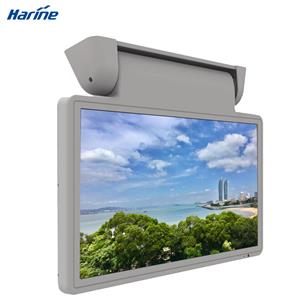
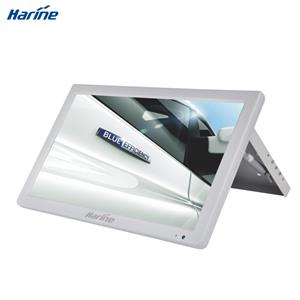
A motorized bus monitor is a roof-mounted LCD display equipped with an electric opening and closing mechanism.
When the display system is activated, the monitor automatically rotates downward into the viewing position. After use, it can return to its folded position near the vehicle ceiling.
Compared with a fixed bus monitor, this design reduces the amount of cabin space permanently occupied by the screen. Compared with a manual flip monitor, it also reduces the need for drivers or operators to physically open and close the display.
For bus manufacturers and fleet operators, the result is a cleaner and more integrated onboard multimedia solution.
Why Motorized Monitors Are Used in Buses and Coaches
Vehicle interiors have limited installation space. Passenger seats, luggage racks, lighting systems, air-conditioning outlets, speakers, and safety equipment all compete for ceiling and wall space.
A motorized folding structure allows the LCD monitor to remain stored when it is not required.
This is particularly useful in premium coaches and tourism vehicles where interior appearance is an important part of the passenger experience.
Automatic operation also makes the display easier to manage across multiple vehicles. Instead of manually adjusting every screen, the monitor can work as part of the vehicle's multimedia system.
Motorized Bus Monitor vs. Fixed Bus Monitor
Both monitor types can be used for onboard information and entertainment, but their installation characteristics are different.
A fixed bus monitor remains visible at all times. It is suitable for applications where information must be continuously displayed, such as passenger information, route guidance, safety messages, or advertising.
A motorized monitor is more suitable when the display is only required during specific periods of a journey.
For example, a tour coach may use the monitor to play destination introductions or entertainment content during long-distance travel. When the program ends, the display can automatically fold away.
This creates a more flexible passenger cabin while keeping the screen protected when it is not being used.
Motorized Bus Monitor vs. Manual Flip Monitor
Manual flip monitors and motorized monitors share a similar space-saving structure, but the operating method is different.
A manual monitor must be opened and closed by hand. This can be an economical solution for buses that only use the display occasionally.
A motorized bus monitor, however, uses an electric mechanism to control the screen movement.
For fleets operating premium coaches, tourist buses, airport shuttles, or high-frequency passenger services, automatic operation can provide a more convenient and professional user experience.
The motorized mechanism can also help create a more consistent installation because the opening and closing movement is controlled rather than depending entirely on manual operation.
Stable Motorized Mechanism Matters in Vehicle Applications
The folding mechanism is one of the most important parts of a motorized monitor.
Unlike a monitor installed inside a building, a bus display is constantly exposed to road vibration, acceleration, braking, and vehicle movement.
The opening mechanism therefore needs to operate smoothly while remaining mechanically stable during long-term use.
A properly designed motorized bus monitor should provide controlled opening and closing movement, low operating noise, stable positioning, and sufficient structural strength for repeated operation.
For commercial fleets, mechanism reliability is particularly important because frequent mechanical failure can increase maintenance costs and vehicle downtime.
Vehicle Power Compatibility Is Equally Important
Commercial vehicle electrical systems are not always as stable as conventional indoor power supplies.
Voltage fluctuations can occur during engine startup, charging, or operation of other onboard equipment.
For this reason, vehicle monitors commonly use wide-voltage power designs rather than standard consumer power adapters.
HLMonitor motorized bus monitors are designed for commercial vehicle environments and support wide-range DC vehicle power input, helping the displays operate more reliably across bus and coach electrical systems.
Power protection and anti-interference design are also important because electrical noise from other vehicle equipment can affect multimedia devices.
Anti-Vibration Design for Daily Road Operation
A bus monitor may operate for many hours each day while continuously experiencing vibration from the road.
This creates different reliability requirements from televisions or monitors used in homes and offices.
A motorized bus monitor should therefore consider not only LCD panel performance but also the housing, mounting structure, electronic components, connectors, and motorized mechanism.
Anti-vibration construction helps maintain stable video performance and reduces the risk of loose connections or mechanical problems during long-term vehicle operation.
Display Size and Passenger Viewing
Motorized monitors are available in different screen sizes depending on the cabin layout and passenger viewing distance.
Compact displays can be suitable for smaller shuttle vehicles, while larger displays are often preferred for long-distance coaches with longer passenger cabins.
For example, 18.5-inch motorized displays provide a balance between screen visibility and installation flexibility, while larger 21.5-inch monitors can provide improved viewing for passengers seated farther from the display.
HLMonitor currently provides motorized flip bus LCD monitor solutions including 18.5-inch and 21.5-inch models designed for bus and coach applications.
Typical Applications of a Motorized Bus Monitor
Long-Distance Coach Entertainment
Motorized monitors can display movies, video programs, music content, and other multimedia during long journeys.
After the entertainment program ends, the display can fold back into the ceiling area.
Tourism Buses
Tour operators can use the screen for destination introductions, travel videos, sightseeing information, and multilingual content.
Airport Shuttle Vehicles
The monitor can display airport information, service instructions, route guidance, advertisements, and passenger notices.
Employee Shuttle Buses
Corporate shuttle services can use the display for company announcements, safety information, training videos, or entertainment.
Premium Passenger Coaches
Automatic folding displays support a cleaner cabin design and can contribute to a more modern passenger experience.
Integration With Bus Multimedia Systems
A motorized monitor normally works as part of a larger onboard multimedia system.
Depending on the vehicle project, it may connect with a media player, DVD system, Android player, vehicle computer, or other video source.
Common video interfaces can include HDMI, VGA, RCA, DVI, or other customized connections.
For OEM bus projects, interface selection should normally be confirmed according to the existing multimedia architecture rather than treating the monitor as an independent consumer display.
Why Commercial Vehicle Displays Differ From Consumer Monitors
Using a normal television or consumer monitor inside a bus may appear economical, but vehicle environments introduce several additional requirements.
Commercial bus displays often need wider DC voltage compatibility, improved vibration resistance, stronger mounting structures, anti-interference design, specialized vehicle connectors, and customized installation methods.
Motorized models add another requirement: the electric folding mechanism must remain reliable after repeated opening and closing cycles.
For this reason, vehicle-specific monitor design becomes increasingly important for long-term fleet operation.
Motorized Bus Monitor Solutions From HLMonitor
HLMonitor develops LCD monitor and multimedia display solutions for buses, coaches, trucks, trains, and other commercial vehicles.
For bus and coach applications, available motorized monitor options include 18.5-inch Motorized Flip Bus LCD Monitor and 21.5-inch Motorized Flip Bus LCD Monitor models.
These displays are designed with automatic flip mechanisms, vehicle-compatible power input, anti-vibration construction, LED-backlit LCD panels, and multiple video interface options.
OEM and ODM customization can also support different vehicle installation requirements, interfaces, housings, and system configurations.
For bus manufacturers, coach builders, multimedia system integrators, and fleet projects, a motorized monitor can provide a more integrated alternative to conventional fixed passenger displays.
FAQ
What is a motorized bus monitor?
A motorized bus monitor is a vehicle LCD display equipped with an electric mechanism that automatically folds the screen down for use and folds it back toward the ceiling when it is no longer required.
Where is a motorized bus monitor installed?
Most motorized bus monitors are installed on the roof or ceiling area of buses and coaches so passengers throughout the cabin can view the screen.
What is the difference between a motorized and manual flip bus monitor?
A manual flip monitor must be opened and closed by hand, while a motorized monitor uses an electric mechanism for automatic movement.
Can a motorized bus monitor be used for passenger information?
Yes. In addition to entertainment, it can display route information, advertisements, safety instructions, announcements, tourism information, and other multimedia content.
Are motorized monitors suitable for long-distance coaches?
Yes. Their space-saving roof-mounted structure and automatic operation make them particularly suitable for long-distance coaches, tourism vehicles, airport shuttles, and premium passenger buses.