How to Choose a Bus Ceiling Monitor for Passenger Transportation
A bus ceiling monitor is an important part of the passenger information and entertainment system used in coaches, tour buses, shuttle buses and other commercial vehicles. Unlike an ordinary indoor television or desktop monitor, a display installed inside a vehicle must continue operating while exposed to vibration, voltage fluctuations, temperature changes and long daily operating hours.
For bus manufacturers, fleet operators and transportation system integrators, choosing the right bus ceiling monitor is therefore not only a question of screen size. Installation structure, power input, image visibility, mechanical stability and system compatibility should all be considered before placing an order.
What Is a Bus Ceiling Monitor?
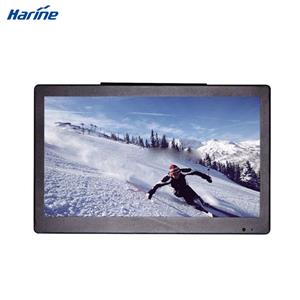
A bus ceiling monitor is an LCD display installed on the ceiling, luggage rack area or upper interior panel of a bus or coach. It can be used to display entertainment videos, safety instructions, travel information, advertisements, route content and other passenger-facing information.
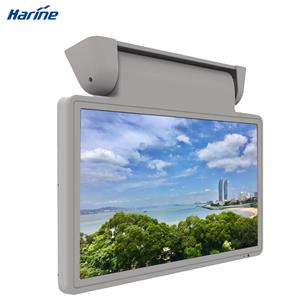
Depending on the interior structure of the vehicle, the monitor may use a fixed installation, a manual fold-down structure or a motorized mechanism. Fixed models remain visible during operation, while fold-down models can be closed when they are not being used.
HLMonitor provides vehicle LCD monitors in different sizes and mounting configurations for buses, coaches, trucks, trains and other transportation applications. Available products include fixed, manual-flip and motorized designs.
Why an Ordinary LCD Monitor Is Not Suitable for a Bus
A conventional commercial display is usually designed for a stable indoor environment. A bus, however, produces continuous vibration, sudden impacts and electrical interference while travelling.
The vehicle power supply may also fluctuate when the engine starts, when air-conditioning equipment is operating or when other onboard electrical systems are activated. For this reason, a reliable bus ceiling monitor should support the voltage conditions of commercial vehicles and use a stable power design.
Several models in the HLMonitor vehicle display range support 12V and 24V vehicle systems, with selected products offering a wider DC input range. The product range also emphasizes anti-vibration and anti-interference performance for bus and coach environments.
Select the Right Screen Size
The correct screen size depends on the length of the passenger compartment, the number of seats and the distance between the monitor and the passengers.
A smaller display may be suitable for shuttle buses, minibuses or vehicles with several screens installed along the ceiling. Larger displays can be more appropriate for long coaches where one monitor needs to remain visible from several rows of seats.
Screen size should not be selected only by choosing the largest available model. A very large monitor may reduce headroom or interfere with luggage racks, lighting systems and air-conditioning outlets. Before confirming a model, the installer should check the available ceiling area, passenger sightlines and required viewing distance.
Fixed, Manual or Motorized Installation
A fixed bus ceiling monitor provides a simple structure and is suitable for vehicles in which the display is used continuously. It can be installed on the ceiling, front bulkhead or side wall depending on the interior design.
A manual flip-down monitor can be folded away when not required. This design helps save space while providing a large display during passenger entertainment or information playback.
A motorized ceiling monitor opens and closes automatically. It is especially suitable for premium coaches and tour buses where a clean interior appearance and convenient operation are important. Some motorized bus-monitor systems also provide angle adjustment or position-memory functions.
Pay Attention to Viewing Angle and Image Quality
Passengers are rarely seated directly in front of a ceiling monitor. Some viewers may be positioned below the screen, while others sit at an angle or several rows away.
A wide viewing angle helps maintain image clarity across the passenger compartment. Full HD resolution can also improve the presentation of films, route graphics, promotional videos and safety information.
Brightness should be sufficient for daytime use, especially in buses with large windows. However, extremely high brightness is not always necessary inside a passenger cabin. The goal is to maintain comfortable visibility without causing glare during evening travel.
Check the Available Video Inputs
Before purchasing a bus ceiling monitor, confirm how the display will connect to the vehicle media system.
Different projects may require AV, VGA or HDMI input. Older coach entertainment systems often use composite video, while newer vehicle media players and digital content systems may use HDMI or other high-definition interfaces.
The correct input configuration should be confirmed before production because changing the connection method after installation may require additional converters, cables or wiring modifications.
Consider Installation and Maintenance
The mounting structure must support the weight of the monitor and remain stable under vibration. The bracket, ceiling reinforcement and cable routing should be planned together rather than treated as separate components.
Maintenance access is also important. Technicians should be able to inspect the power connection, signal cable and mounting points without removing large sections of the bus interior.
For fleet projects, using standardized monitor sizes and connectors can simplify future replacement and reduce spare-parts management costs.
Where Can a Bus Ceiling Monitor Be Used?
A bus ceiling monitor can be installed in intercity coaches, airport shuttle buses, tour buses, sightseeing vehicles, school buses, employee transportation buses and public transit vehicles.
The display may show movies during long trips, introduce tourist destinations, provide safety demonstrations, display route information or present advertising content. The same hardware can serve different purposes depending on the connected media player and content-management system.
Conclusion
Choosing a bus ceiling monitor requires more than comparing screen sizes and resolutions. Vehicle voltage, vibration resistance, viewing angle, installation structure, signal compatibility and maintenance access all affect long-term reliability.
A properly selected display can improve passenger communication and entertainment while integrating cleanly into the bus interior. For customized vehicle projects, screen size, mounting method, input interface and housing design should be confirmed according to the actual vehicle structure.