How to Build a Reliable Bus and Coach Display Solution for Passenger Information, Entertainment and Safety
Modern buses, school buses and coaches require more than a standard screen mounted inside the vehicle. Operators increasingly need a complete bus and coach display solution that can deliver passenger information, entertainment content, advertising messages, safety images and vehicle status information through one coordinated system.
A professional solution must consider the vehicle environment, installation position, power supply, display visibility, content source and long-term operating stability. Choosing the right combination of displays, media players, cameras and accessories can improve passenger experience while making the system easier for fleet operators to manage.
What Is a Bus and Coach Display Solution?
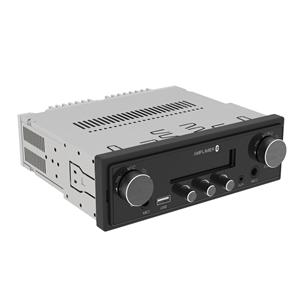
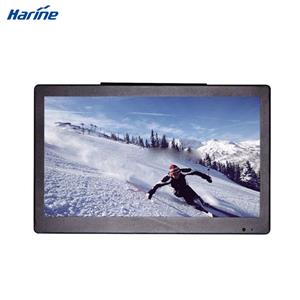
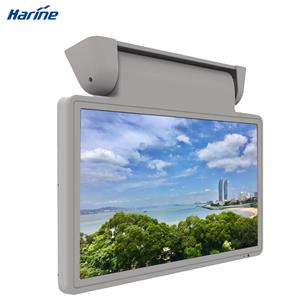
A bus and coach display solution is an integrated visual and multimedia system designed specifically for public transportation vehicles. Depending on the project, the system may include fixed LCD monitors, roof-mounted flip-down displays, stretched bar screens, advertising screens, media players, reversing monitors and surveillance cameras.
Unlike ordinary commercial displays, vehicle screens must operate reliably while the bus is moving. The system may be exposed to vibration, changing voltage, temperature fluctuations and continuous daily use. This means the display equipment must be selected according to the actual vehicle environment rather than only by screen size or resolution.
For example, a bus passenger display may be used to show route information, stop announcements, safety instructions, advertisements or entertainment programs. A school bus display may focus more on safety messages, camera images and driver assistance. A long-distance coach may require larger monitors and an integrated multimedia player to provide films, music and travel information.
Why Standard Displays Are Often Unsuitable for Buses
A normal indoor monitor is designed for a stable building environment. A vehicle display operates under very different conditions.
The electrical system in a bus may use 12V or 24V power, and voltage can fluctuate when the engine starts or other equipment is operating. The display must therefore support an appropriate vehicle power input and provide stable performance under changing electrical conditions.
Vibration is another important concern. The monitor, mounting structure and internal components must remain secure during long-term operation on different road surfaces. Vehicle displays may also require anti-interference performance to reduce the effects of other onboard electronic systems.
Installation space is often limited. A display may need to be mounted on the roof, side wall, dashboard or passenger compartment. The enclosure, mounting bracket and screen orientation should match the interior structure of the bus. Some projects may require a fixed bus LCD monitor, while others benefit from an automatic or manual flip-down monitor that can be closed when not in use.
Passenger Information Display Solutions
A passenger information display helps communicate important travel information clearly and efficiently. The screen can show route numbers, upcoming stops, transfer information, safety notices, destination details and emergency instructions.
For city buses, passenger information must be easy to read during short journeys with frequent stops. A horizontal LCD monitor or stretched bar display can be installed above the aisle or near the front of the vehicle. This format is suitable for displaying route maps, station names and scrolling messages without occupying too much vertical space.
For airport shuttle buses, tourist coaches and intercity vehicles, larger displays can present departure information, destination introductions and service announcements. When connected to a central media player or vehicle control system, the same content can be distributed across multiple screens.
The layout of the information is just as important as the display hardware. Large text, strong contrast and simple visual structure help passengers understand the content quickly, especially when the vehicle is moving.
Bus Entertainment System Solutions
A reliable bus entertainment system can improve the passenger experience on long-distance coaches, tour buses and premium shuttle vehicles. The system may combine one or more LCD monitors with a multimedia player, speakers and external content sources.
Fixed monitors are commonly installed at the front or middle of the passenger compartment. Larger buses may require several screens so passengers in different seating areas have a clear view. Roof-mounted flip-down monitors are useful when the operator wants to save space or hide the display when it is not needed.
The content source may include USB media, a vehicle player, HDMI input or an integrated Android system. The final configuration depends on whether the operator needs simple video playback, online content, advertising management or interactive functions.
A professional solution should also consider audio synchronization, cable routing and system control. A screen with excellent picture quality will not create a good passenger experience if the signal is unstable or the audio system is poorly integrated.
School Bus Display and Safety Solutions
A school bus display solution should place safety and driver visibility ahead of entertainment. The system can connect a dashboard monitor with interior, exterior or rear-view cameras to help the driver observe areas that are difficult to see directly.
Interior cameras can support passenger monitoring, while exterior waterproof cameras can provide images around the vehicle. Infrared night vision is useful when lighting conditions are poor, including early morning routes, tunnels or evening operation.
The monitor may display a reversing image automatically when reverse gear is engaged. More advanced systems can combine several cameras to provide a broader view around the bus. This can help the driver check the rear area, passenger doors and nearby blind spots.
Displays inside the passenger compartment can also show school rules, emergency instructions and safety reminders. The system should use simple, highly visible content that students can understand quickly.
Advertising Display Solutions for Public Transportation
Bus advertising screens create an additional communication channel for transport operators. They can display local advertisements, public service announcements, destination promotions and operator information.
A bus advertising display screen may be installed above the seats, near the entrance or along the passenger area. Stretched bar LCD screens are especially useful where installation height is limited. Their wide format can display scrolling information, banner advertisements and route messages while fitting into narrow spaces.
For operators managing multiple vehicles, content management is an important part of the solution. Screens can be connected to media players or Android systems that allow advertising content to be scheduled and updated.
The best advertising solution balances visibility with passenger comfort. The screen should be bright enough to read clearly, but it should not be distracting or excessively bright inside the vehicle.
Choosing the Right Bus LCD Monitor
Selecting the right bus LCD monitor requires more than choosing the largest available size. The correct display depends on vehicle dimensions, viewing distance, mounting position and intended content.
A smaller monitor may be suitable for the driver area, reversing system or compact school bus. Medium and large monitors are better suited to passenger information and entertainment in full-size buses and coaches.
Brightness should match the installation environment. Screens installed near large windows may need stronger brightness to maintain visibility during daytime operation. Displays placed deeper inside the passenger compartment may not require the same brightness level.
The viewing angle should also be considered. Passengers are seated in different positions, so the content should remain visible when viewed from the side or from below. For information-heavy systems, resolution and text clarity are important because route details and safety messages must be easy to read.
Fixed, Roof-Mounted and Customized Installation
A complete bus display solution should support different installation methods.
Fixed monitors provide a stable and straightforward installation for buses where the display is used throughout the journey. They can be mounted on the wall, ceiling structure or front partition.
Roof-mounted flip-down monitors help save space and provide a cleaner appearance when the screen is closed. This format is often used in coaches and tour buses.
Customized installation may be necessary when the vehicle interior has limited space or an unusual structure. The mounting bracket, enclosure, cable length and connector position can be adjusted according to the project.
Before confirming the solution, the vehicle manufacturer or system integrator should provide installation drawings, voltage requirements, available space and signal sources. This reduces the risk of compatibility problems during installation.
Integrating Displays, Players and Cameras
The greatest advantage of a solution-based approach is that individual products are selected to work together.
A passenger monitor can be connected to a media player for entertainment and announcements. An advertising screen can receive scheduled content from an Android player. A dashboard monitor can switch automatically between normal operation and camera images. Interior and exterior cameras can be combined to create a more complete vehicle surveillance system.
Using compatible products simplifies wiring, testing and after-sales support. It also helps the system integrator avoid purchasing displays, cameras and players from unrelated suppliers with different connectors or electrical requirements.
A coordinated solution can include:
Bus and coach LCD monitors for passenger information and entertainment.
Stretched bar displays for route information and advertising.
Media players for audio and video playback.
Interior and exterior cameras for monitoring and driver assistance.
Reversing displays and parking assistance systems.
Customized cables, mounting brackets and vehicle accessories.
The Importance of Customization
Bus and coach projects often have different requirements even when the vehicles appear similar. One operator may need a simple fixed display for video playback, while another requires multiple synchronized monitors, cameras and a central control system.
Customization can involve the screen size, housing design, mounting method, input interface, power supply, cable length, logo, software and content system. It may also include adapting the equipment to a specific bus interior or local operating environment.
A professional supplier should understand the complete application before recommending a product. The project discussion should cover how the display will be used, where it will be installed, what content it will show and which devices it must connect to.
This approach is more effective than selecting products only from a specification table.
Applications of Bus and Coach Display Solutions
Bus display systems can be configured for many transportation environments.
City buses use displays for station information, route maps and public announcements.
School buses use monitors and cameras to improve driver visibility and support onboard safety.
Tour buses and long-distance coaches use larger displays for entertainment, travel information and promotional content.
Airport shuttles use screens to show terminal information, schedules and passenger guidance.
Employee shuttle buses use displays for company notices, safety training and entertainment.
Public service vehicles may use screens for operational information, camera monitoring and emergency communication.
Each application requires a different balance of screen size, brightness, installation method and system functionality.
Why Work With a Bus and Coach Solution Provider?
Working with a professional bus and coach solution provider can reduce the complexity of a vehicle display project.
Instead of sourcing the monitor, player, camera, cable and mounting accessories separately, the customer can develop a coordinated system with one supplier. This improves compatibility and makes technical communication more efficient.
The supplier can recommend suitable products based on vehicle type, application and installation conditions. Custom cables, mounting structures and software functions can also be discussed before production.
This is especially important for bus manufacturers, fleet operators, system integrators and transportation equipment distributors that require repeatable solutions across multiple vehicles.
Frequently Asked Questions
What type of display is best for a city bus?
A fixed LCD monitor or stretched bar display is commonly used for route information, stop announcements and advertising. The final choice depends on available installation space and passenger viewing distance.
Can a bus LCD monitor work with both 12V and 24V vehicles?
Many vehicle monitors are designed with wide-range power input, but the exact voltage specification should be confirmed before installation.
Can multiple monitors play the same content?
Yes. Multiple bus monitors can be connected to a shared media source or distribution system, depending on the signal type and project design.
What is the advantage of a flip-down bus monitor?
A flip-down monitor saves space and can be closed when not in use. It is commonly installed in coaches, tour buses and passenger vehicles.
Can cameras be integrated with the display system?
Yes. Rear-view, interior, exterior and infrared cameras can be connected to vehicle monitors for reversing, monitoring and driver assistance.
Are customized bus display solutions available?
Bus display solutions can be customized according to screen size, mounting method, interface, power supply, cable design, enclosure and system functions.
Conclusion
A reliable bus and coach display solution should combine passenger communication, entertainment, advertising and vehicle safety in one practical system. The correct solution depends on the vehicle type, installation space, electrical environment and intended application.
By integrating bus LCD monitors, passenger information displays, media players, advertising screens and vehicle cameras, manufacturers and operators can create a system that is easier to install, operate and maintain.
Rather than choosing a screen as an isolated component, project buyers should evaluate the complete system and work with a supplier capable of providing technical guidance, compatible products and customized vehicle display solutions.