How Can a 360 Camera System Improve Safety for Bus Fleets?
Operating a public bus fleet involves far more than moving passengers from one location to another. Every vehicle must travel through crowded streets, enter narrow stations, stop beside pedestrians and maneuver around bicycles, motorcycles and other road users.
Because buses are longer and wider than passenger cars, drivers cannot always see every area around the vehicle through conventional mirrors. These visibility limitations are especially noticeable when reversing, turning, changing lanes or approaching a busy bus stop.
A bus 360 camera system gives drivers a more complete view of the vehicle’s surroundings. By combining images from several cameras, the system can present a panoramic or bird’s-eye view on an in-cab monitor. This helps drivers identify obstacles and vulnerable road users that may otherwise remain hidden in blind spots.
For bus operators, improved visibility can support safer daily operations, reduce avoidable vehicle damage and create a more consistent driving environment across the fleet.
Why Are Blind Spots a Serious Problem for Buses?
A bus has several areas that are difficult for the driver to observe directly. These commonly include the space immediately behind the vehicle, the area beside the front wheels and the zones along both sides of the bus.
The size and position of these blind spots can change according to the bus model, mirror arrangement, passenger load and driving environment. A driver may have adequate visibility while moving along an open road but face much greater difficulty inside a crowded terminal or narrow urban street.
Pedestrians and cyclists can also move into a blind spot within seconds. Even an experienced driver may not detect them quickly enough when relying only on mirrors.
A bus surround view system helps reduce these visibility gaps by presenting several camera perspectives through one monitor. Instead of repeatedly checking separate mirrors and estimating the position of nearby objects, the driver receives a clearer visual reference around the entire bus.
How Does a Bus 360 Camera System Work?
A typical system uses multiple wide-angle cameras installed around the vehicle. Cameras are generally positioned at the front, rear and both sides of the bus.
The video processor receives the individual camera feeds and combines them into a single panoramic image. The resulting display can resemble a top-down view of the bus, allowing the driver to understand the position of nearby vehicles, curbs, pedestrians and other obstacles.
Depending on the system configuration, the monitor may show a complete bird’s-eye view together with a selected front, rear or side camera image. The displayed view can also change automatically when the driver activates the reverse gear or turn signal.
This integration gives the driver the information needed for a particular maneuver without requiring complicated manual operation.
Safer Reversing at Bus Depots and Terminals
Reversing is one of the most challenging operations for a bus driver. A large vehicle may need to reverse between parked buses, maintenance equipment, station structures or moving personnel.
A traditional rear camera shows what is directly behind the vehicle, but it may not fully reveal obstacles near the rear corners or along the sides.
A bus reversing camera system combined with 360-degree monitoring gives the driver a wider understanding of the surrounding area. The rear image supports distance judgment, while the panoramic view shows how the entire vehicle is positioned.
This is particularly useful in bus depots, maintenance centers, school parking areas and transport terminals where space is limited and vehicle movements are frequent.
Better Visibility When Turning
Turning a long bus requires careful attention to the vehicle’s sides and rear wheel path. During a right or left turn, pedestrians, bicycles and motorcycles may enter an area that is difficult to observe through the mirrors.
A side camera can provide a direct view of the turning area. When integrated into a complete 360 degree camera system for buses, it gives the driver additional visual information before and during the maneuver.
This can be especially valuable for urban buses operating on routes with frequent intersections, bicycle lanes, roadside parking and heavy pedestrian activity.
The purpose of the system is not to replace responsible driving. Instead, it provides another layer of visual support that helps the driver make better-informed decisions.
Easier Maneuvering Around Bus Stops
Bus stops are dynamic environments. Passengers may approach the vehicle from different directions, cyclists may pass along the side and other vehicles may enter the stopping area.
The driver must position the bus close enough to the curb for safe boarding while maintaining adequate clearance from signs, shelters and roadside objects.
A bird’s-eye view can help the driver judge the bus’s position relative to the curb and surrounding obstacles. Side-camera images can also provide better awareness of the passenger boarding area.
For operators serving busy city routes, this added visibility can support more consistent stop positioning and reduce the risk of minor contact damage.
Reducing Minor Collision and Repair Costs
Not every fleet accident involves a serious collision. Many operating costs result from relatively small incidents such as scraped body panels, damaged mirrors, contact with station structures or collisions with low obstacles.
Although each incident may appear minor, repeated repairs can affect vehicle availability and increase fleet maintenance expenses.
A commercial vehicle camera system can help drivers detect these hazards before contact occurs. Better visual information is especially valuable for newly hired drivers who are still becoming familiar with the dimensions and turning characteristics of a bus.
Over time, reducing avoidable low-speed incidents can support lower repair expenses and more predictable fleet availability.
Supporting Driver Training
Vehicle camera systems can also play a useful role in driver education.
Training instructors can use the monitor views to explain how the position of a bus changes during reversing and turning. Drivers can learn where blind spots occur, how closely the vehicle approaches surrounding objects and when additional caution is necessary.
When recording functionality is included, selected footage may also be reviewed after an incident or during safety training. This allows fleet managers to discuss actual driving situations rather than relying only on theoretical examples.
The system should be introduced as a driver-assistance tool rather than a replacement for mirrors, road observation or established operating procedures.
What Should Bus Operators Look for in a 360 Camera System?
Image clarity is one of the first considerations. The monitor should provide a clear picture in the lighting conditions in which the buses normally operate. A system used during early-morning, evening or nighttime routes must continue to provide usable visibility under low-light conditions.
Camera durability is equally important. External cameras may be exposed to rain, dust, vibration, temperature changes and repeated vehicle washing. Waterproof construction and secure mounting are therefore important for long-term operation.
Signal stability should also be considered. A bus contains electrical equipment that may create interference, so the camera system, cables and connectors should be designed for commercial vehicle use.
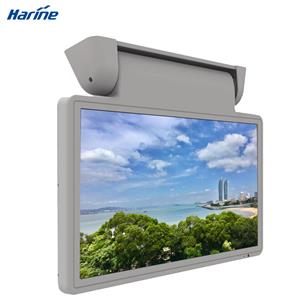
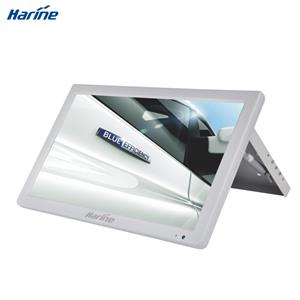
The monitor must be positioned where the driver can view it without obstructing the road ahead. Screen size, brightness and interface design should allow the driver to understand the displayed information quickly.
Finally, the system should be compatible with the bus’s electrical architecture and operating requirements. Camera quantity, cable length, video format, trigger inputs and recording requirements should all be confirmed before installation.
360 Camera System or Basic Reversing Camera?
A basic reversing camera may be sufficient when the operator only needs a rear view during reverse gear. It is a practical option for simpler applications and smaller vehicles.
A 360 camera system provides broader coverage. It is more suitable when buses operate in crowded city centers, narrow terminals, school zones or other environments where hazards may appear beside or in front of the vehicle as well as behind it.
| Operating requirement | Recommended solution |
|---|---|
| Basic rear visibility | Rear camera with reversing monitor |
| Monitoring several vehicle sides | Multi-camera monitor system |
| Full surrounding visibility | Bus 360 camera system |
| Incident review or driver training | Camera system with recording |
| Complex urban bus operation | 360 view with side and rear monitoring |
The correct choice depends on vehicle size, route conditions, accident history and the operator’s safety priorities.
Can a 360 Camera System Be Customized for Different Bus Fleets?
Bus fleets are rarely identical. Operators may manage city buses, school buses, airport shuttles, coaches and electric buses with different body dimensions and electrical configurations.
For this reason, a fleet camera solution may require adjustments to camera position, cable length, monitor size, mounting structure and image calibration.
Some operators may only require four-camera panoramic monitoring. Others may need additional video inputs, driving recording, blind spot detection or integration with a central control display.
Working with an experienced vehicle display and camera system manufacturer makes it easier to configure the solution according to the actual bus structure and operating environment.
Building a Safer Bus Fleet with Better Visibility
A bus 360 camera system cannot eliminate every operational risk, but it can give drivers a more complete understanding of what is happening around the vehicle.
For public transportation operators, the main value lies in combining blind spot monitoring, reversing assistance and panoramic visibility within one practical system. This can support safer maneuvering, more effective driver training and fewer avoidable low-speed incidents.
When selecting a system, operators should focus on image quality, camera durability, signal stability, vehicle compatibility and after-sales technical support.
HL Monitor provides vehicle display, reversing and 360 surround view solutions for buses, coaches and other commercial vehicles. Systems can be configured according to vehicle type, camera quantity, monitor requirements and operating environment.
Contact HL Monitor to discuss a customized bus 360 camera and reversing solution for your fleet.