Car LCD Screens for Bus Manufacturers: Key Requirements for Reliable Vehicle Display Systems
Car LCD Screens for Bus Manufacturers: Key Requirements for Reliable Vehicle Display Systems
A reliable car LCD screen for bus applications should combine stable performance, suitable screen size, clear visibility, wide operating temperature, durable construction, and flexible signal compatibility. For bus manufacturers and commercial vehicle integrators, these factors directly affect system reliability and long-term vehicle operation.
What Is a Car LCD Screen in a Bus Application?
A car LCD screen is a vehicle-mounted display designed to operate inside cars, buses, coaches, trucks, and other commercial vehicles.
In bus manufacturing, these screens can be connected with cameras, media players, onboard computers, reversing systems, passenger information systems, or central control systems.
Depending on the application, the screen may be installed near the driver, in the passenger area, on the dashboard, or in another section of the vehicle.
Unlike ordinary consumer monitors, vehicle LCD screens must tolerate vibration, unstable power conditions, temperature changes, and long operating hours.
Why Do Bus Manufacturers Need Vehicle-Specific LCD Screens?
Bus environments are very different from offices or homes.
A display used inside a commercial vehicle may operate for many hours every day while being exposed to vibration, heat, cold, dust, voltage fluctuation, and frequent engine starts.
For this reason, bus manufacturers usually require screens designed specifically for automotive and commercial vehicle applications.
A suitable car LCD screen can help improve system stability while reducing maintenance requirements after the vehicle enters service.
The display should also integrate easily with other onboard equipment, especially reversing cameras, CCTV systems, DVRs, media players, and vehicle control systems.
What Screen Sizes Are Commonly Used in Buses?
There is no single standard size for every bus project.
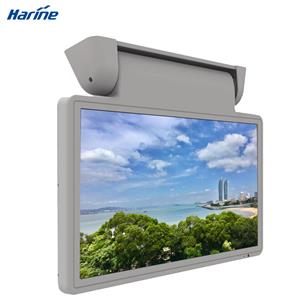
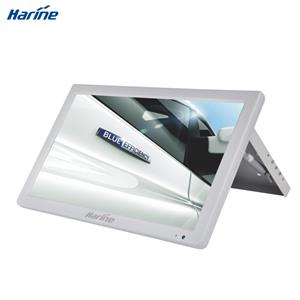
Smaller displays are commonly used around the driver's dashboard or reversing camera system, while larger LCD screens can be installed in passenger areas for entertainment, information, or advertising.
Typical applications may include compact driver monitors as well as larger vehicle screens ranging from approximately 15 inches to 32 inches or more.
The correct screen size depends on several factors, including installation space, viewing distance, content type, mounting method, and the number of passengers who need to see the display.
For bus manufacturers, the screen size should therefore be selected according to the actual vehicle layout rather than simply choosing the largest available display.
What Makes a Car LCD Screen Reliable for Commercial Vehicles?
Reliability depends on more than resolution.
For buses and coaches, several technical characteristics deserve particular attention.
Stable Operation Under Vibration
Commercial vehicles experience continuous vibration while driving.
The LCD panel, internal PCB, connectors, mounting structure, and housing should therefore be designed for stable long-term use inside moving vehicles.
A display that works well in a stationary environment may not provide the same reliability in a bus application.
Wide Operating Temperature
Vehicle interiors can become extremely hot when parked in direct sunlight and very cold during winter operation.
A commercial vehicle LCD screen should therefore support an operating temperature range appropriate for the target market and installation environment.
For projects involving extreme climates, temperature performance should be confirmed before mass production.
High Brightness and Visibility
Brightness affects whether drivers and passengers can clearly see the screen under changing ambient light.
Driver monitors may require higher brightness when installed close to windows or in areas affected by sunlight.
Passenger screens installed deeper inside the bus may require less brightness.
For demanding environments, high-brightness LCD solutions can improve visibility and readability.
What Resolution Is Suitable for a Bus LCD Screen?
Resolution should match both the screen size and the content being displayed.
For camera monitoring systems, sufficient resolution helps drivers identify details from reversing cameras and surveillance cameras.
For multimedia or passenger information systems, higher resolutions can improve the presentation of video, route information, advertising, and other visual content.
Common resolutions may include HD, Full HD, and other panel-specific formats depending on display size.
However, resolution alone should not determine screen selection.
Signal compatibility, viewing distance, brightness, interface type, and system processing capability are equally important.
What Interfaces Do Bus LCD Screens Commonly Support?
Bus display systems may need to receive signals from different onboard devices.
Depending on the project, common interfaces can include HDMI, VGA, AV, CVBS, USB, and other customized automotive interfaces.
For camera systems, analog video inputs may still be widely used because of their compatibility with existing vehicle camera equipment.
For digital media systems, HDMI and other digital interfaces can provide higher image quality.
When selecting a car LCD screen, bus manufacturers should confirm both the signal source and the required connector configuration at the beginning of the project.
This helps avoid unnecessary adapter boards or system redesign later.
Can a Car LCD Screen Be Used With Bus Camera Systems?
Yes.
One of the most common applications of vehicle LCD screens is integration with onboard camera systems.
A screen can display images from reversing cameras, side-view cameras, surveillance cameras, or multi-camera systems.
In more advanced vehicle configurations, the display may also work together with a 360-degree surround view system to provide the driver with a wider view around the bus.
For these applications, fast signal response, stable video input, suitable brightness, and clear image reproduction are particularly important.
Car LCD Screen vs Consumer Monitor
| Feature | Car LCD Screen | Consumer Monitor |
|---|---|---|
| Vehicle vibration resistance | Designed for vehicle use | Usually limited |
| Operating temperature | Wider range available | Mainly indoor conditions |
| Automotive signal compatibility | Can support AV, camera and vehicle inputs | Primarily PC or home video inputs |
| Power environment | Can be adapted for vehicle voltage conditions | Stable indoor power expected |
| Mounting | Vehicle-specific options available | Desktop or wall mounting |
| Long-term commercial use | Suitable for fleet applications | Primarily consumer use |
For bus manufacturers, using a vehicle-specific screen can reduce compatibility risks during system integration.
Where Are Car LCD Screens Used in Bus Manufacturing?
Car LCD screens can support multiple systems within the same vehicle platform.
Common applications include driver monitoring systems, reversing camera displays, passenger entertainment, route information displays, onboard advertising systems, CCTV monitoring, central control systems, and vehicle diagnostic interfaces.
In some projects, several displays may be installed in different locations inside the same bus.
This means bus manufacturers often need not only a single monitor, but a complete display solution that matches the electrical architecture and interior design of the vehicle.
What Should Bus Manufacturers Consider Before Ordering?
Before selecting a car LCD screen supplier, bus manufacturers should define the technical requirements of the project clearly.
Important information includes required screen size, resolution, brightness, video input, operating voltage, installation method, viewing angle, working temperature, connector type, housing design, and expected annual quantity.
Providing these details early allows the display supplier to recommend a more suitable configuration and reduces development time.
For OEM and customized bus projects, mechanical drawings and interface requirements may also be necessary.
Can Car LCD Screens Be Customized for Bus Projects?
Yes.
Customization is often necessary for bus and coach manufacturers because different vehicle platforms use different dashboards, mounting structures, camera systems, and electrical configurations.
Possible customization options may include screen size, housing design, mounting bracket, connector location, cable length, interface configuration, brightness, button layout, logo, and software functions.
For larger projects, customized display solutions can simplify vehicle integration and improve consistency during mass production.
How Does Harine Support Bus Manufacturers?
Harine provides vehicle display and onboard electronic solutions for commercial vehicle applications.
For bus manufacturers, projects can involve not only car LCD screens but also cameras, reversing systems, media players, center control monitors, and 360 surround view systems.
Instead of treating the LCD screen as an isolated component, the display can be selected according to the complete vehicle system.
This approach can help improve compatibility between the monitor, signal source, camera equipment, power system, and installation structure.
FAQ
What is the best car LCD screen size for a bus?
The best size depends on the installation position and application. Driver monitoring screens are generally smaller, while passenger information and entertainment displays can use larger screen sizes.
Can a car LCD screen work with a reversing camera?
Yes. Vehicle LCD monitors can be configured with AV or other compatible video inputs for reversing camera systems.
Are car LCD screens suitable for long operating hours?
Commercial vehicle LCD screens can be designed for extended daily operation, but operating temperature, backlight lifetime, power design, and system ventilation should be evaluated for each project.
What brightness is suitable for a bus LCD screen?
Brightness requirements depend on ambient light. Displays near windows or exposed to stronger sunlight generally require higher brightness than screens installed in darker passenger areas.
Can bus LCD monitors support multiple cameras?
Yes. Depending on the monitor and system configuration, a display may support multiple video inputs or work with a separate video control unit.
Can the LCD screen housing be customized?
Yes. Housing dimensions, mounting structure, connectors, cable configuration, buttons, and other mechanical details can be customized for OEM projects.
What information should a bus manufacturer provide before requesting a quotation?
It is useful to provide screen size, resolution, brightness, input signals, voltage, installation method, operating temperature, expected quantity, and any customization requirements.
Are vehicle LCD screens different from normal LCD monitors?
Yes. Vehicle displays generally require better vibration resistance, wider environmental tolerance, automotive signal compatibility, and more flexible installation options than standard consumer monitors.
Conclusion
For bus manufacturers, selecting the right car LCD screen is an important part of building a reliable onboard display system.
Screen size and resolution matter, but long-term reliability also depends on brightness, operating temperature, signal compatibility, mounting design, power stability, and integration with cameras or other vehicle electronics.
A well-matched vehicle display solution can reduce integration problems during production and provide more stable operation throughout the service life of the bus.
For bus manufacturers developing new vehicle platforms or upgrading existing display systems, working with a supplier that understands both LCD technology and commercial vehicle integration can make the development process more efficient.